



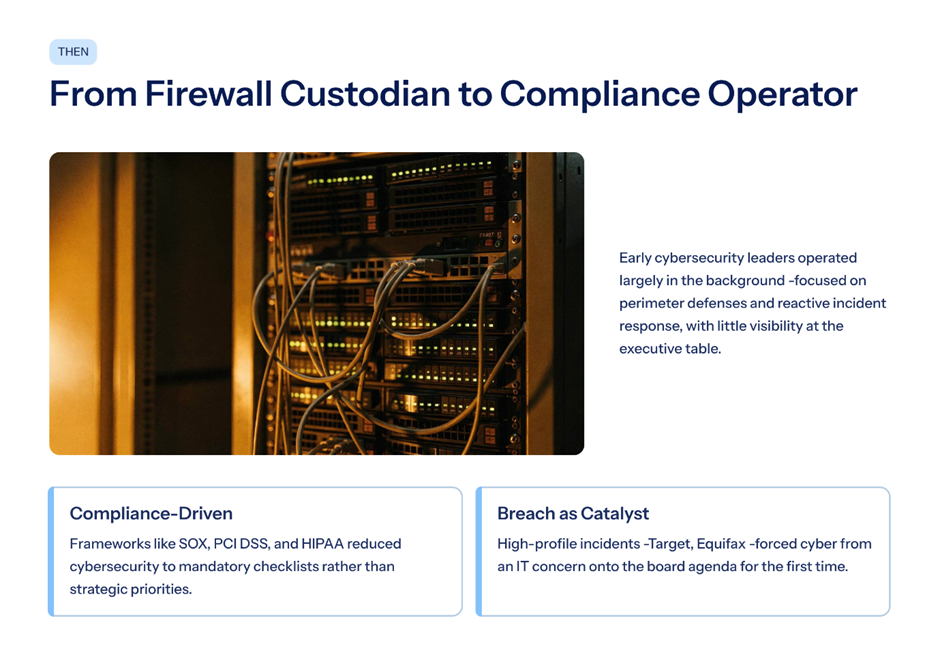
Not too long ago, cybersecurity was viewed as a technical function operating quietly in the background. Its primary purpose was to protect systems, manage access, and respond to threats.
Today, that reality has changed dramatically.
Organisations are investing heavily in digital transformation, cloud technologies, artificial intelligence, data-driven decision-making, and interconnected ecosystems. While these advancements create opportunities for innovation and growth, they also introduce new risks that can impact operations, customer trust, regulatory compliance, and business continuity.
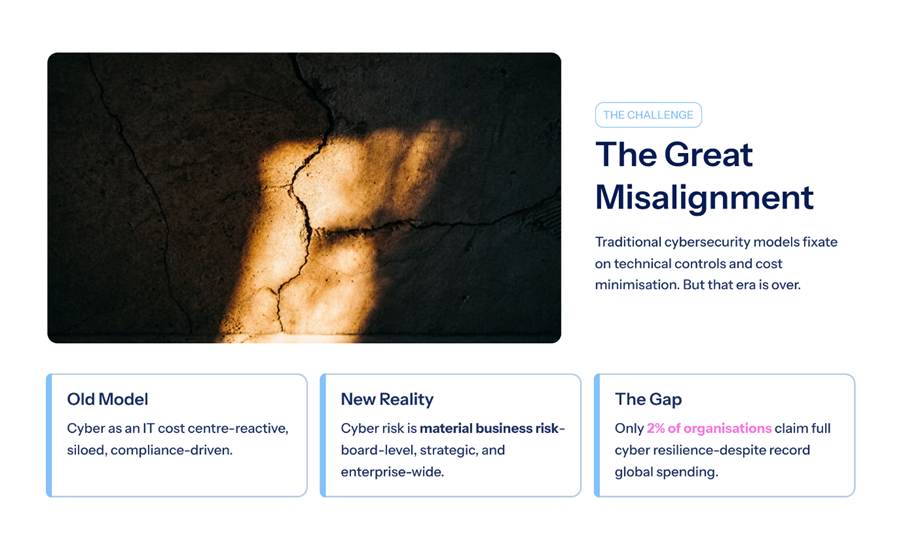
As a result, cybersecurity has evolved from a technology discussion into a boardroom conversation.
This shift has created a new expectation for cybersecurity leaders.
Organisations no longer need leaders who understand only security controls. They need professionals who can connect cybersecurity strategy with business strategy.
The most successful organisations recognise that cybersecurity is not simply about preventing attacks. It is about enabling growth, strengthening resilience, and supporting long-term business objectives.
The Expanding Role of Cybersecurity Leadership
For many years, cybersecurity leaders were primarily measured by their ability to protect systems and maintain compliance.
While those responsibilities remain important, today’s business environment demands far more.
A modern cybersecurity leader must understand:
- Business objectives
- Revenue priorities
- Digital transformation initiatives
- Customer expectations
- Regulatory requirements
- Organisational risk
- Competitive pressures
This broader perspective enables cybersecurity leaders to participate in strategic business discussions rather than operating solely within technical teams.
When cybersecurity leaders understand how the organisation creates value, they can align security investments with business priorities and help executives make better decisions.
This is why many organisations are increasingly involving security leaders in enterprise planning, governance discussions, and board-level conversations.
Cybersecurity and Business Strategy Are Now Interconnected
One of the biggest misconceptions in business is that cybersecurity slows innovation.
In reality, strong cybersecurity leadership can accelerate growth.
Organisations launching new digital products, entering new markets, expanding through acquisitions, or implementing emerging technologies face significant risk if security is not considered early in the process.
A cybersecurity strategy leader helps ensure that innovation happens responsibly.
Instead of asking:
“How do we stop risk?”
They ask:
“How do we manage risk while enabling growth?”
This subtle shift in mindset creates enormous value.
When cybersecurity is integrated into strategic planning, security becomes a business enabler rather than a barrier. Leaders can identify potential risks before they become costly problems, allowing projects to move forward with greater confidence and fewer disruptions. Early collaboration between business teams and cybersecurity professionals helps organisations design processes, products, and services that are secure from the outset, rather than requiring expensive fixes later.
The connection between cybersecurity and business strategy is especially important in highly competitive industries where speed and trust are critical. Customers, partners, and investors increasingly expect organisations to demonstrate strong security practices. Businesses that can prove they protect sensitive information often gain a competitive advantage and strengthen stakeholder confidence.
Additionally, strategic cybersecurity planning supports long-term organisational goals by helping leaders prioritise investments, allocate resources effectively, and prepare for future challenges. As digital ecosystems continue to expand, organisations must balance innovation with responsible risk management. Cybersecurity leaders provide the insight needed to achieve that balance, ensuring that growth initiatives remain sustainable and aligned with business objectives.
When cybersecurity is integrated into strategic planning:
- Product launches become more secure.
- Customer confidence increases.
- Regulatory exposure decreases.
- Business disruptions are minimised.
- Digital transformation initiatives become more sustainable.
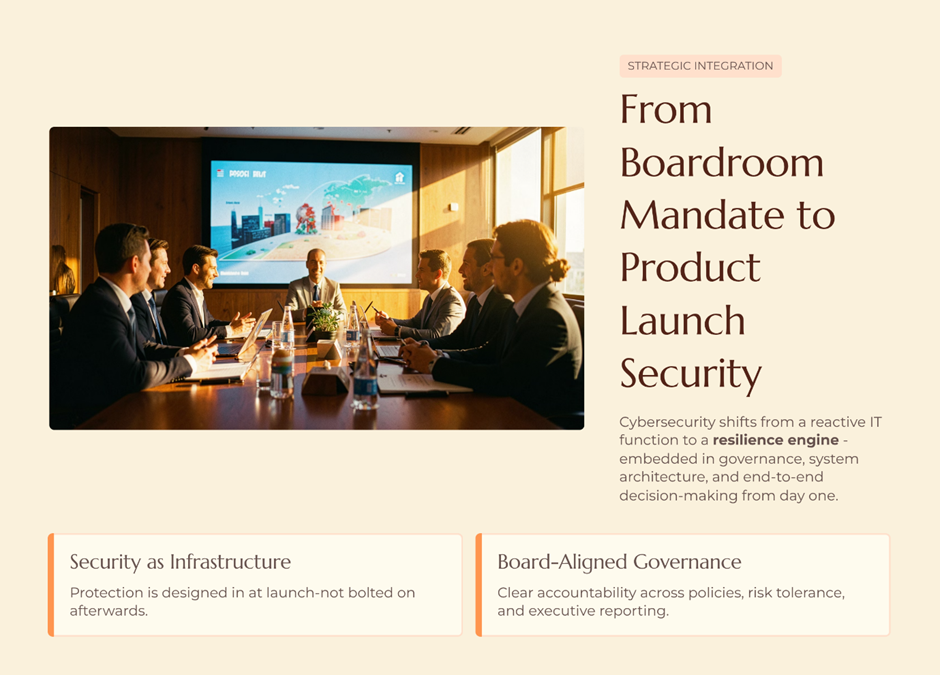
The result is a stronger and more resilient organisation.
Why Boards Are Paying More Attention to Cybersecurity
Board members today face increasing pressure from regulators, investors, customers, and stakeholders.
A major cyber incident can result in:
- Financial losses
- Operational disruption
- Regulatory penalties
- Reputational damage
- Loss of customer trust
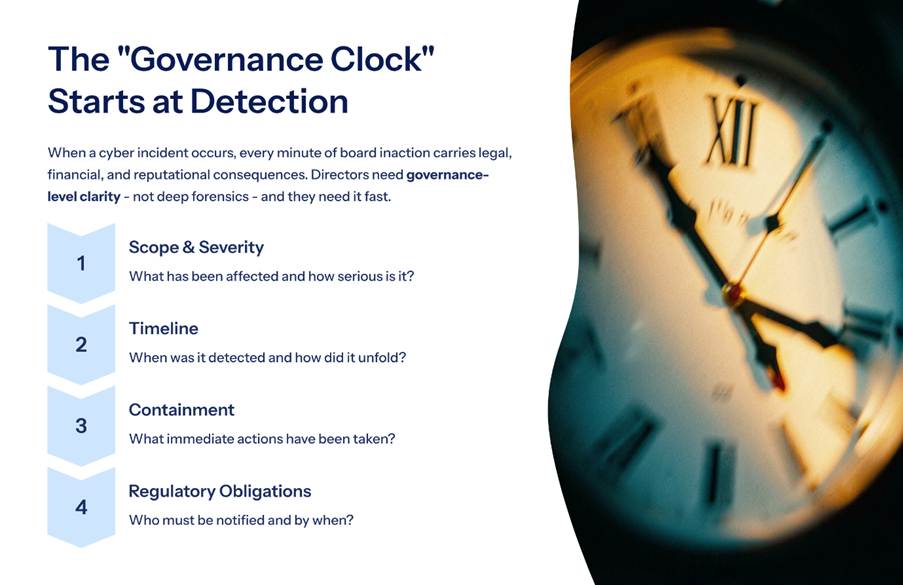
Because of these risks, boards are asking different questions than they did a decade ago.
They are no longer interested solely in technical reports.
Instead, they want answers to questions such as:
- What are our biggest business risks?
- How resilient are our operations?
- How prepared are we for disruption?
- What would be the impact of a major cyber incident?
- How are we protecting customer trust?
These are business questions.
And they require business-oriented answers.
This is where cybersecurity leaders provide value.
They help translate complex risks into meaningful business insights that support executive decision-making.
Customer Trust Has Become a Competitive Advantage
Trust is one of the most valuable assets an organisation can build.
Customers increasingly share personal information, financial details, and business data with organisations.
They expect that information to be protected.
A single security incident can significantly damage years of brand-building efforts.
Research consistently shows that organisations suffering major data breaches often experience:
- Reduced customer confidence
- Increased customer churn
- Higher acquisition costs
- Reputational challenges
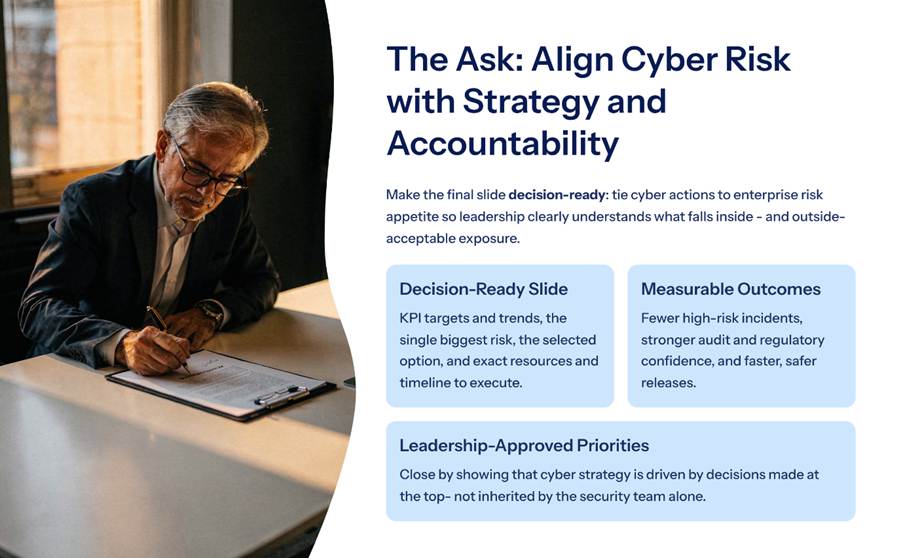
A cybersecurity strategy leader helps organisations proactively build trust rather than reactively repair it.
By embedding security into products, services, and customer experiences, businesses demonstrate accountability and reliability.
In today’s digital economy, trust has become a competitive differentiator.
Why Resilience Matters in Today’s Business Environment
Every organisation operates in an environment filled with uncertainty and constant change. From cyberattacks and technology failures to economic disruptions and supply chain challenges, businesses face a wide range of risks that can impact operations and long-term success.
Business resilience is the ability of an organisation to anticipate, withstand, respond to, and recover from disruptions while continuing to deliver value to customers and stakeholders. In today’s digital economy, resilience is no longer optional; it is a critical component of sustainable growth.
The Strategic Role of Security Leadership
Strong security leadership serves as the foundation for organisational resilience. Cybersecurity leaders help businesses prepare for potential threats before they become major incidents, ensuring that critical systems, data, and processes remain protected.
Effective security leaders contribute by:
- Identifying and assessing business-critical risks
- Developing proactive security strategies
- Strengthening incident response capabilities
- Supporting regulatory and compliance requirements
- Enhancing organisational preparedness and recovery planning
- Promoting a culture of security awareness across the business
By aligning security initiatives with business objectives, leaders can help organisations remain agile and resilient even during periods of disruption.
Building a Resilient Organisation
Resilience is not achieved through technology alone. It requires collaboration across departments, clear governance, and strong leadership. Security leaders work closely with executives, operational teams, and stakeholders to ensure that resilience is embedded into everyday business practices.
Key areas of focus include:
Risk Identification and Management
Understanding potential threats allows organisations to prioritise resources and reduce vulnerabilities before they can be exploited.
Incident Preparedness
Well-defined response plans help teams react quickly and effectively when disruptions occur, minimising operational and financial impacts.
Business Continuity and Recovery
Organisations must be prepared to maintain essential services and recover critical operations as quickly as possible following an incident.
Continuous Improvement
Resilient organisations regularly evaluate their security posture, learn from incidents, and adapt to emerging risks.
Security Leadership as a Competitive Advantage
Organisations that invest in strong security leadership are often better positioned to navigate uncertainty and maintain stakeholder confidence. Customers, partners, and investors increasingly expect businesses to demonstrate resilience and responsible risk management.
When security leaders are empowered to contribute to strategic decision-making, organisations can:
- Reduce operational downtime
- Protect customer trust
- Improve crisis response capabilities
- Strengthen regulatory compliance
- Support long-term business growth
Ultimately, business resilience begins with leadership that understands both security and strategy. By proactively managing risks and preparing for disruption, security leaders help organisations remain stable, adaptable, and successful in an increasingly complex digital landscape.
Cybersecurity Leaders Enable Better Decision-Making
Executive teams constantly make decisions involving risk.
Whether launching a new service, entering a new market, adopting AI technologies, or integrating acquisitions, every strategic decision involves uncertainty.
Cybersecurity leaders provide valuable context that helps decision-makers evaluate those risks.
Importantly, effective leaders do not focus solely on what could go wrong.
They help executives understand:
- Potential business impacts
- Risk mitigation options
- Strategic trade-offs
- Long-term implications
This allows organisations to make informed decisions rather than reactive decisions.
The goal is not to eliminate risk.
The goal is to manage it intelligently.
The Characteristics of an Effective Cybersecurity Strategy Leader
Organisations looking to strengthen their cybersecurity leadership should seek individuals who combine technical understanding with business acumen.
Key characteristics include:
Strategic Thinking
Understanding how security supports broader organisational objectives.
Business Awareness
Recognising revenue drivers, customer expectations, and growth priorities.
Communication Skills
Explaining risks and opportunities in a language executives understand.
Leadership Capability
Building alignment across departments and influencing decision-making.
Risk Management Expertise
Helping organisations balance innovation with resilience.
Customer-Centric Perspective
Understanding how security contributes to trust and long-term relationships.
These qualities help cybersecurity leaders move beyond operational responsibilities and become strategic advisors.
The Future of Cybersecurity Leadership
The future will bring new challenges.
Artificial intelligence.
Expanding digital ecosystems.
Evolving regulations.
Growing customer expectations.
Increasing cyber threats.
Organisations will continue investing in technology, but technology alone will not solve these challenges.
Leadership will.
The cybersecurity leaders of the future will not be defined solely by their technical expertise.
They will be defined by their ability to:
- Support business growth
- Strengthen resilience
- Protect trust
- Enable innovation
- Guide strategic decisions
Their influence will extend beyond security departments and into the core of organisational strategy.
Conclusion: Cybersecurity Leaders Are Becoming Business Leaders
The role of cybersecurity has fundamentally changed.
What was once considered a technical discipline is now an essential component of business strategy.
Organisations that treat cybersecurity as an isolated function risk missing opportunities, exposing themselves to unnecessary threats, and weakening their ability to respond to disruption.
By contrast, organisations that empower cybersecurity leaders to participate in strategic planning gain a significant advantage.
They become more resilient.
They build stronger customer trust.
They make more informed decisions.
They innovate with greater confidence.
Most importantly, they position themselves for sustainable growth in an increasingly digital world.
The most successful organisations of the future will not view cybersecurity leaders as guardians of technology alone.
They will view them as trusted business partners helping shape the direction, resilience, and long-term success of the enterprise.
And that is precisely why every organisation needs a cybersecurity strategy leader at the heart of its business strategy.