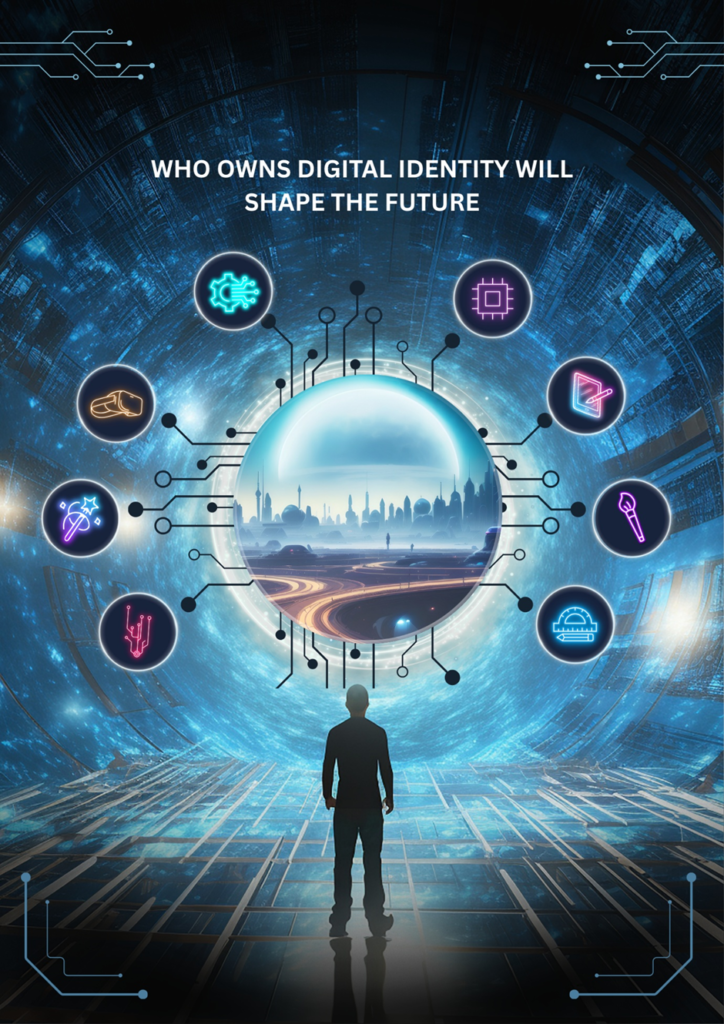
Digital Identity Is Becoming the Next Strategic Asset for Nations and Enterprises
For years, countries competed over oil, manufacturing, and technology.
Today, a quieter race is underway; one that could shape the future of global business, digital trust, and economic resilience.
It’s the race to build digital identity infrastructure.
While Artificial Intelligence dominates headlines, governments around the world are investing in trusted digital identity systems because they recognise a simple truth:
The future digital economy cannot function without trusted identities.
For business leaders, this isn’t merely a public-sector initiative. It signals a fundamental shift in how organisations will onboard customers, manage employees, collaborate with partners, and build trust across borders.
The question is no longer whether digital identity matters.
The question is whether your organisation is prepared for a world where identity becomes the foundation of every digital interaction.
Why the Identity Race Has Accelerated
The Forces Driving Urgency in Digital Identity
The digital economy is becoming increasingly interconnected, creating a complex web of interactions between individuals, organisations, and machines. This rapid evolution is accelerating the need for robust and trusted identity systems.
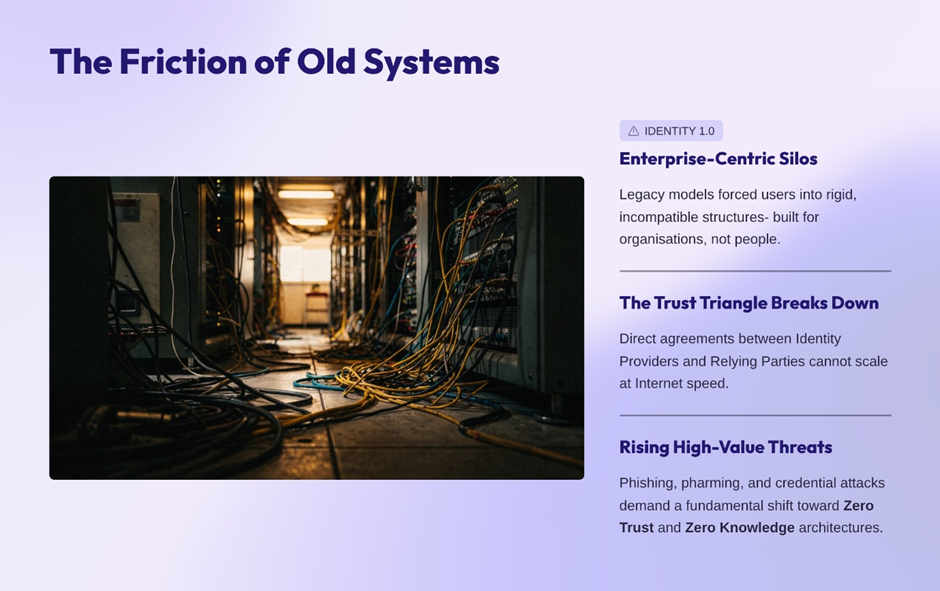
Key Drivers Behind the Acceleration
- Customers expect seamless, secure, and frictionless digital experiences across platforms
- Employees are working across continents, requiring secure remote access and identity verification
- AI agents are executing critical business processes, often autonomously
- Machine identities now outnumber human users in many enterprises’ environments
- Cyber threats and identity-based attacks are increasing in sophistication
- Regulatory pressures are pushing organisations to strengthen identity governance
As digital interactions grow in volume and complexity, organisations must continuously validate and verify identities in real time.
This leads to one fundamental question:
Can this identity be trusted? The urgency to answer this question is compelling governments and enterprises alike to rethink digital identity frameworks at a national and organisational level, positioning identity as a cornerstone of digital trust and economic resilience.
Governments Are Building Identity as Critical Infrastructure
Several major economies have moved beyond viewing identity as an administrative service.
They now treat it as national infrastructure.
European Union
The European Digital Identity Wallet, introduced under the updated eIDAS 2.0 framework, aims to provide citizens with a secure, interoperable digital identity that can be used across all EU member states for both public and private services.
The objective extends beyond convenience.
It strengthens digital trust across borders.
India
India continues to expand its Digital Public Infrastructure through initiatives such as Aadhaar, UPI, and DigiLocker.
Together, these platforms demonstrate how trusted digital identity can support financial inclusion, public services, and digital commerce at population scale.
Singapore
Singapore’s SingPass has evolved into a national digital identity platform supporting access to government services, banking, healthcare, and private-sector applications. The model illustrates how identity becomes an enabler of a connected digital economy.
Identity Is Becoming a Competitive Advantage
For many executives, identity has traditionally been viewed as an IT responsibility.
That perspective is changing.
Organisations that establish trusted identity ecosystems gain several strategic advantages:
- Faster customer onboarding
- Stronger fraud prevention
- Improved regulatory compliance
- Better digital experiences
- Increased partner confidence
More secure AI adoption
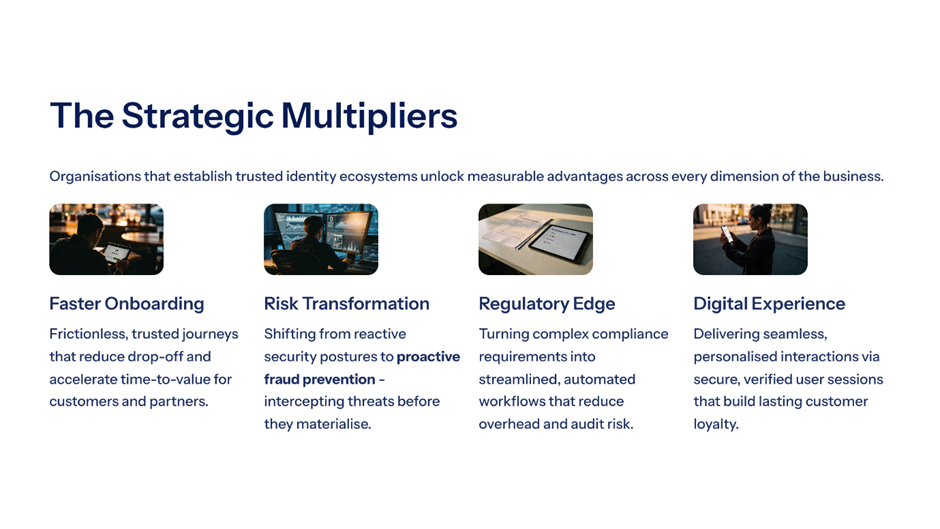
In other words, identity is becoming both a security capability and a business accelerator.
The Rise of AI Is Raising the Stakes
Artificial Intelligence is transforming enterprise operations.
Organisations are deploying:
- AI assistants
- Autonomous workflows
- Digital employees
- Intelligent automation
- Machine identities
Each of these requires identity.
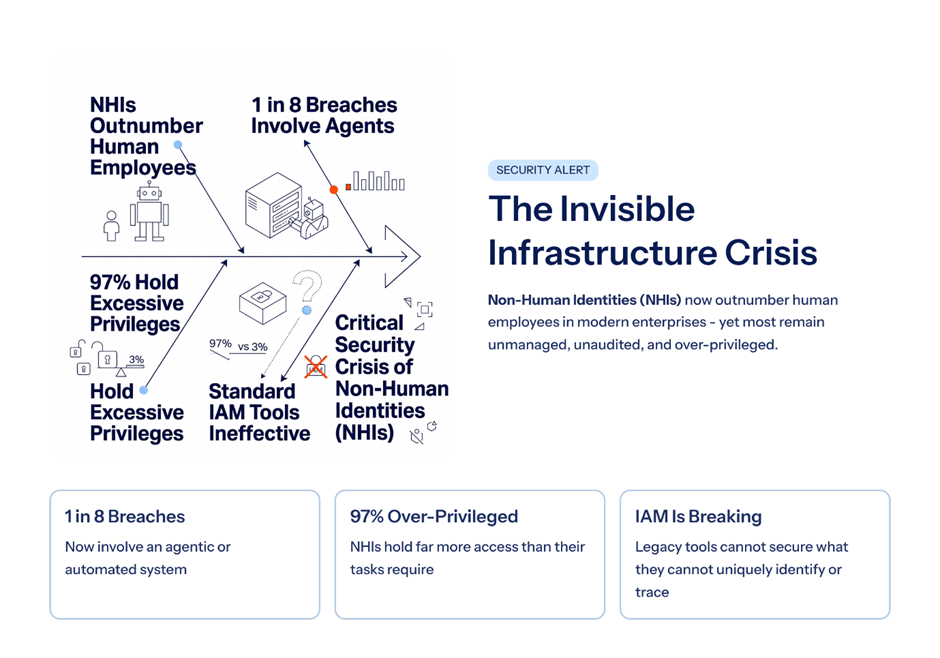
More importantly, each requires governance.
Without trusted identities, organisations cannot confidently determine:
- Who is accessing business systems?
- Which AI agent is making decisions?
- What permissions should autonomous systems receive?
- How should machine identities be governed?
AI makes identity more important, not less.
The New Geopolitical Reality
Digital identity is increasingly intersecting with geopolitics.
Around the world, governments are introducing regulations around:
- Data sovereignty
- Cross-border data sharing
- Digital credentials
- Privacy
- Citizen identity
Trusted digital services
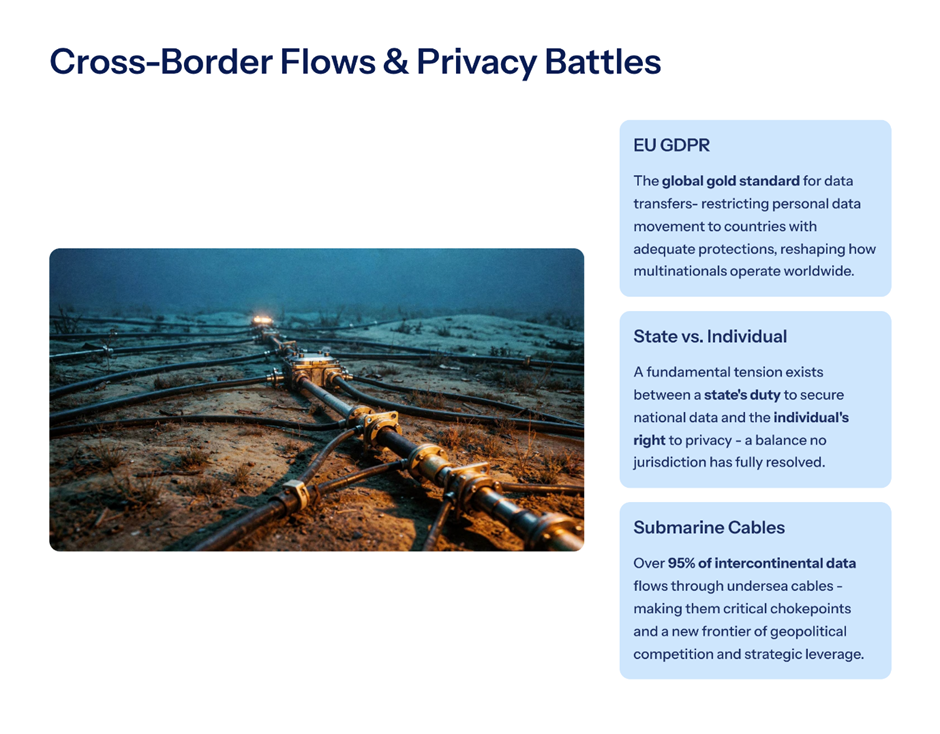
This creates both opportunity and complexity for multinational organisations.
Expanding into new markets will increasingly require organisations to understand multiple digital identity ecosystems, regulatory frameworks, and trust models.
Identity governance is no longer simply an internal security function.
It has become part of international business strategy.
Five Questions Every CXO Should Be Asking
The organisations that lead the next decade will treat identity as a boardroom discussion, not just an IT project.
Here are five questions every leadership team should consider:
1. Is our identity strategy aligned with our AI strategy?
AI adoption without identity governance introduces unnecessary risk.
2. Can we establish digital trust across multiple jurisdictions?
Global growth depends on trusted identity verification.
3. Are we governing machine identities with the same discipline as human identities?
As automation increases, machine identities become a growing enterprise risk.
4. Is identity enabling business growth, or slowing it down?
The best identity programs reduce friction while strengthening security.
5. Are we preparing for future identity regulations?
Organisations that build adaptable identity governance today will be better positioned for tomorrow’s regulatory landscape.
Identity Infrastructure Is More Than Cybersecurity
The conversation around identity has evolved.
Yesterday, identity was about authentication.
Today, it is about governance. Tomorrow, it will be about business confidence.
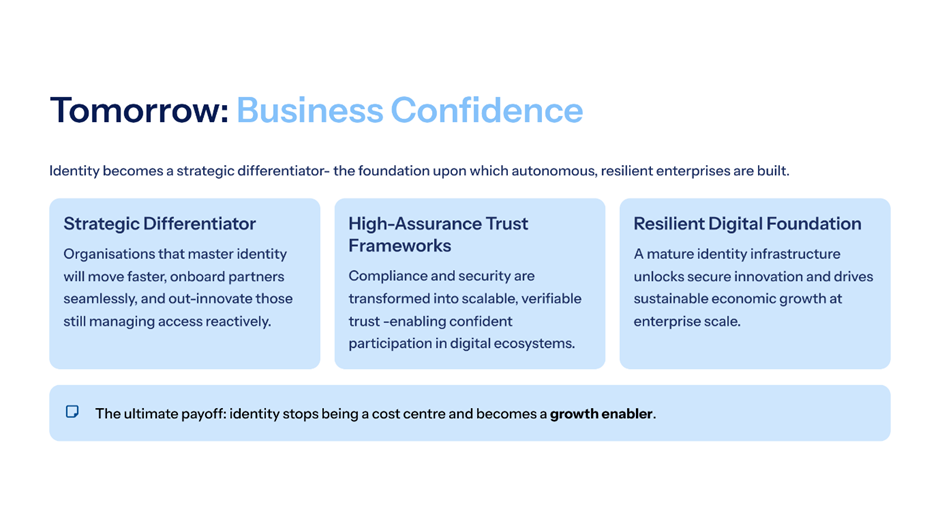
Digital identity now influences:
- Customer trust
- Brand reputation
- AI governance
- Enterprise resilience
- Regulatory readiness
- International expansion
This is why forward-looking organisations are moving identity discussions from security teams to executive leadership.
The Leadership Opportunity
Every major technology shift creates new market leaders.
Cloud transformed infrastructure.
AI is transforming productivity.
Digital identity will transform trust.
Organisations that invest in identity infrastructure today are not simply improving security.
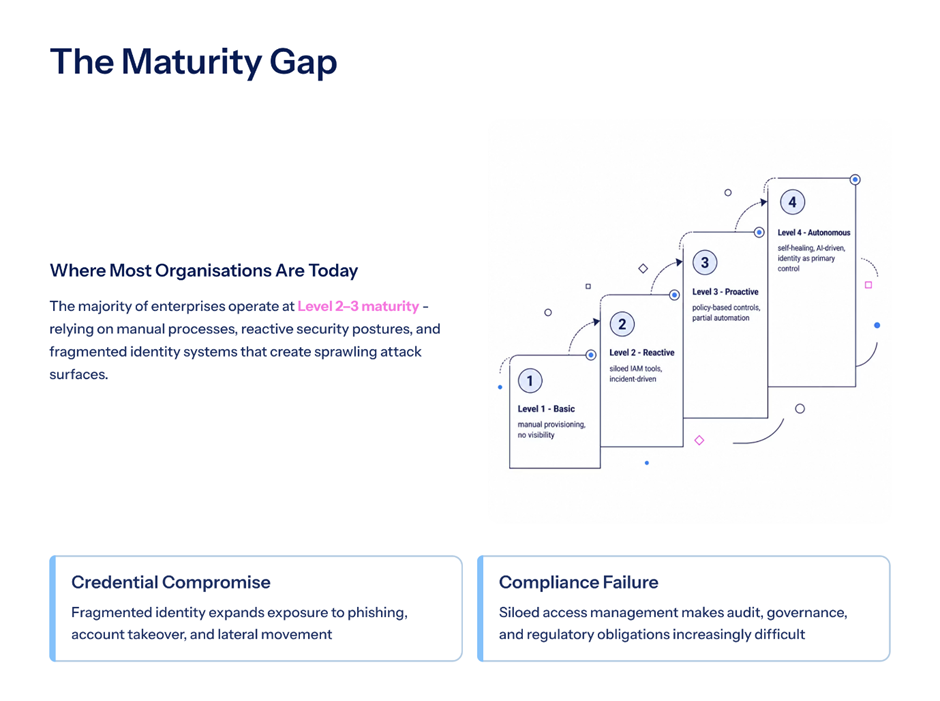
They are building the foundation for scalable AI, resilient digital ecosystems, and sustainable business growth.
The real competitive advantage will not belong to organisations with the most sophisticated AI.
It will belong to those with the most trusted identity ecosystem.
Final Thoughts
The global identity infrastructure race is not a technology trend.
It is a strategic transformation.
Governments are investing because they recognise that identity underpins economic growth, public trust, and digital resilience.
Business leaders should reach the same conclusion.
Identity is no longer just about controlling access.
It is becoming the infrastructure that enables trusted commerce, responsible AI adoption, secure collaboration, and long-term enterprise growth.
In the years ahead, organisations will compete not only on innovation but also on the confidence they inspire.
And that confidence will increasingly be built on one foundation:
Trusted digital identity.