The Currency That Doesn’t Appear on Balance Sheets
In the global economy we are standing in now, trust is no longer an abstract concept. It is measurable, monetizable, and increasingly, a defining factor of enterprise value.
We are no longer asking:
“Are our systems secure?”
We are asking:
“Do our customers, partners, and stakeholders trust us with their data, identity, and digital interactions?” Because in a hyper-connected world, digital trust is the new currency of global business.
What Is Digital Trust in the Modern Enterprise?
Defining Digital Trust
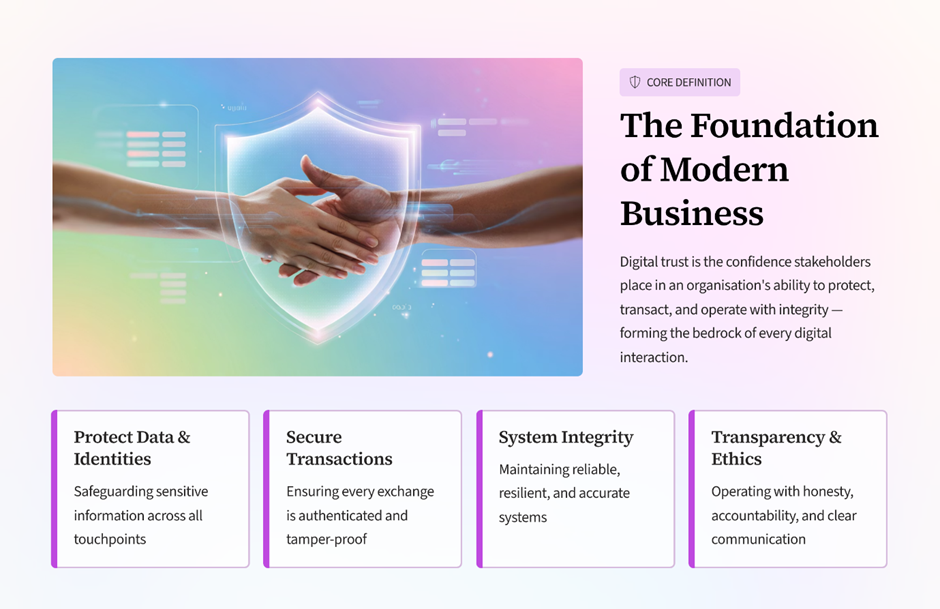
Digital trust refers to the confidence stakeholders place in an organisation’s ability to:
- Protect data and identities
- Ensure secure transactions
- Maintain system integrity
- Operate transparently and ethically
Why It Matters Now More Than Ever
- Businesses are increasingly data-driven and cloud-dependent
- Customers expect privacy, security, and reliability by default
- Regulatory frameworks are tightening globally
- Cyber incidents directly impact brand equity and revenue
The Global Reality: Trust Is Under Pressure
Rising Cyber Threats Across the World
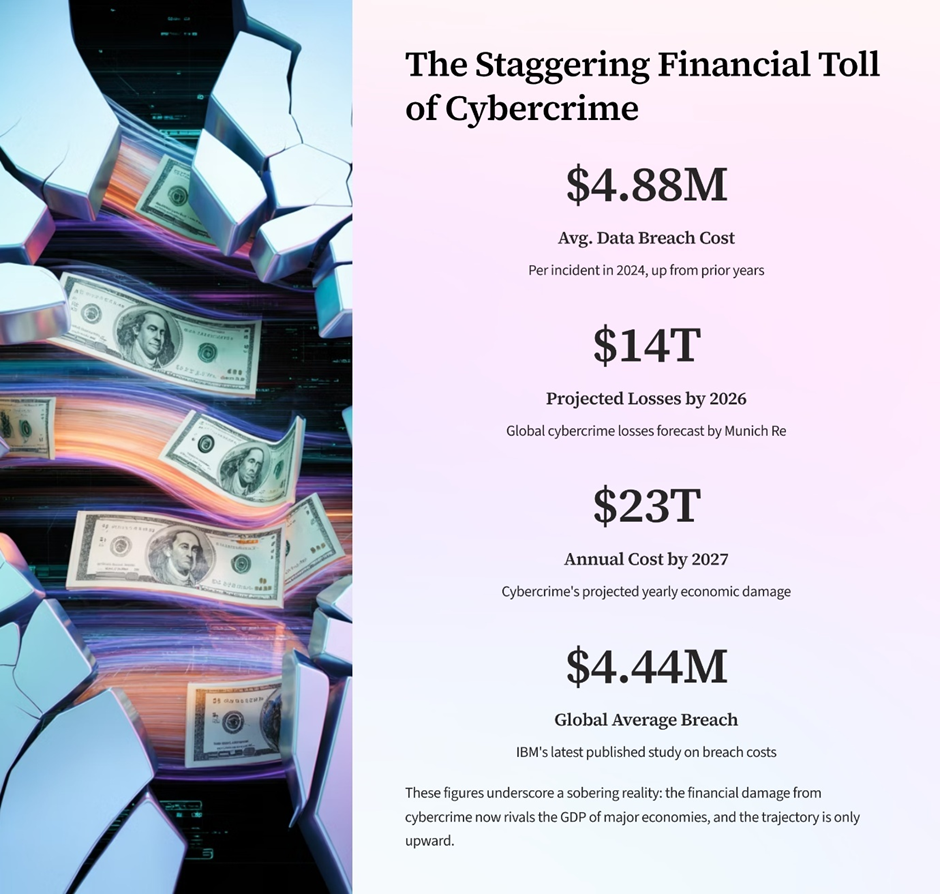
The data is clear:
- The average cost of a data breach reached $4.88 million in 2024
- Cybercrime is projected to cost $23 trillion annually by 2027
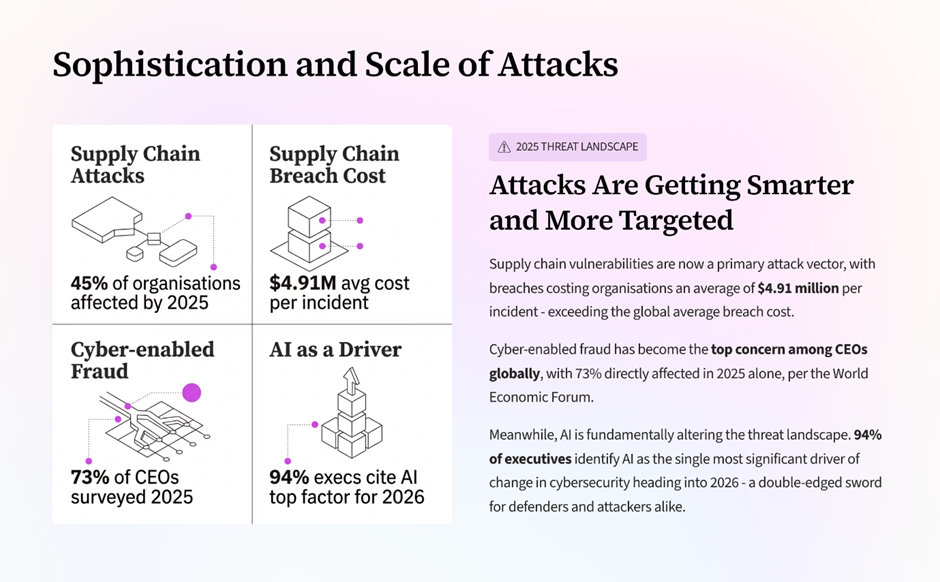
- Nearly 45% of organisations are expected to face supply chain attacks by 2025
Identity Is the New Attack Surface
- Around 90% of cyber incidents involve identity weaknesses
- Massive leaks like 16 billion exposed login credentials highlight systemic risk
The Trust Gap
Despite rising investments:
- Only 2% of organisations have achieved enterprise-wide cyber resilience
- Many leaders still react after incidents occur rather than before
This gap between perception and reality is where trust erodes.
War and Cybersecurity: Trust as a Strategic Weapon Case:
Russia–Ukraine Cyber Conflict
- Cyberattacks on Ukraine increased significantly, targeting energy grids, telecom networks, and government systems
- Thousands of incidents disrupted critical infrastructure and public services
- Attacks were not only destructive but also designed to erode public confidence in digital systems
What This Means for Businesses
- Modern conflicts have shown that cyberattacks are no longer isolated to military targets
- Businesses operating globally can become collateral damage in geopolitical cyber operations
- Supply chains can be disrupted when vendors or infrastructure providers are compromised
- Trust in digital platforms can be weakened without any visible physical damage
Key Insight for CXOs
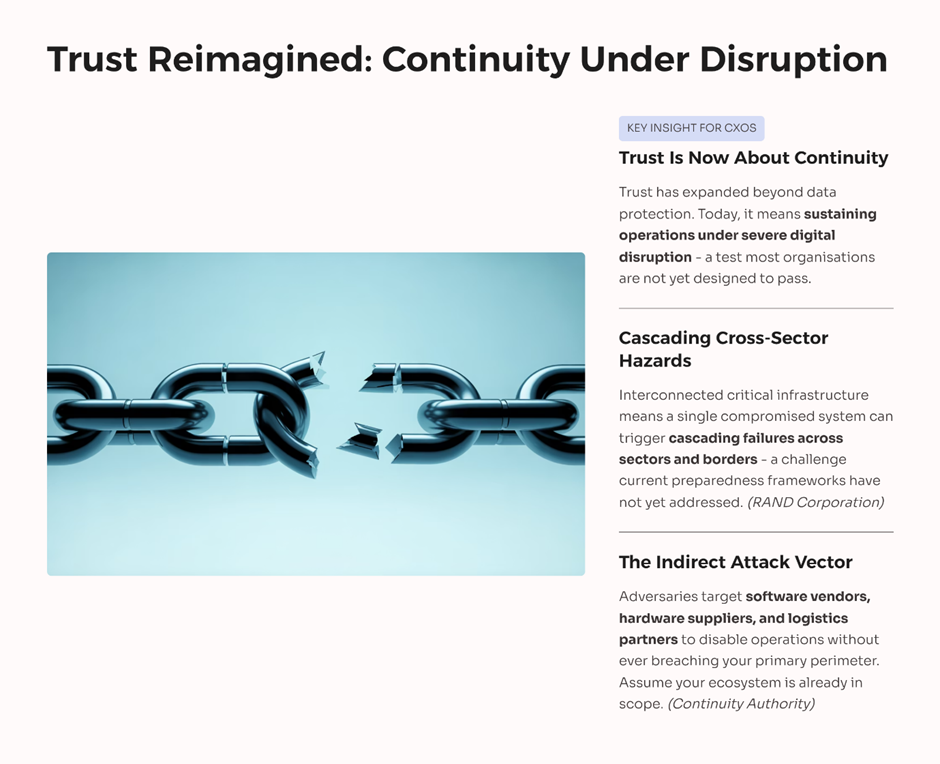
- Cyber warfare has redefined how risk propagates across systems and economies
- Trust is no longer just about data protection; it is about ensuring continuity under disruption
- Organisations must assume that their digital ecosystem can be targeted indirectly
Expanding the Strategic Lens
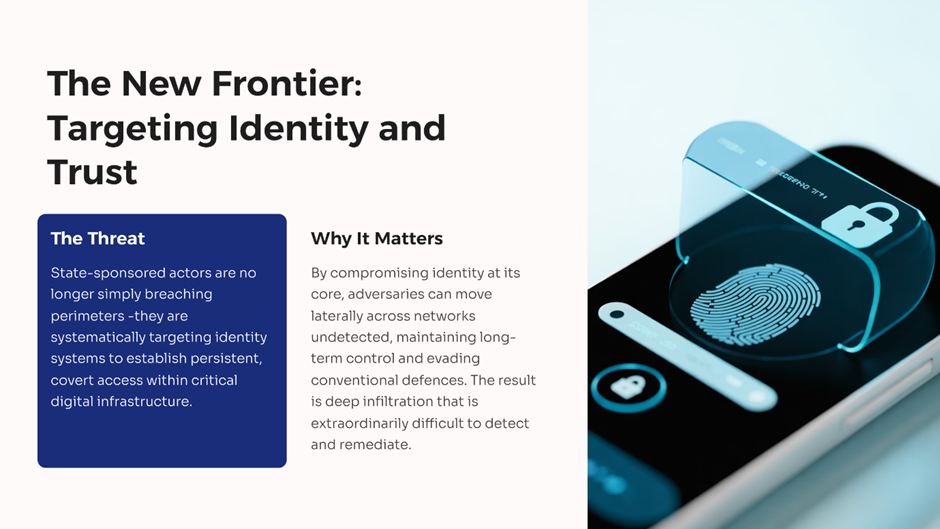
- State-sponsored actors are increasingly targeting identity systems to gain persistent access
- Disinformation campaigns are being used to undermine trust in digital platforms and institutions
- Critical infrastructure attacks demonstrate how digital trust failures can translate into real-world disruption
- Cross-border cyber incidents highlight the need for resilient and globally aligned security strategies
Implications for Enterprise Leadership
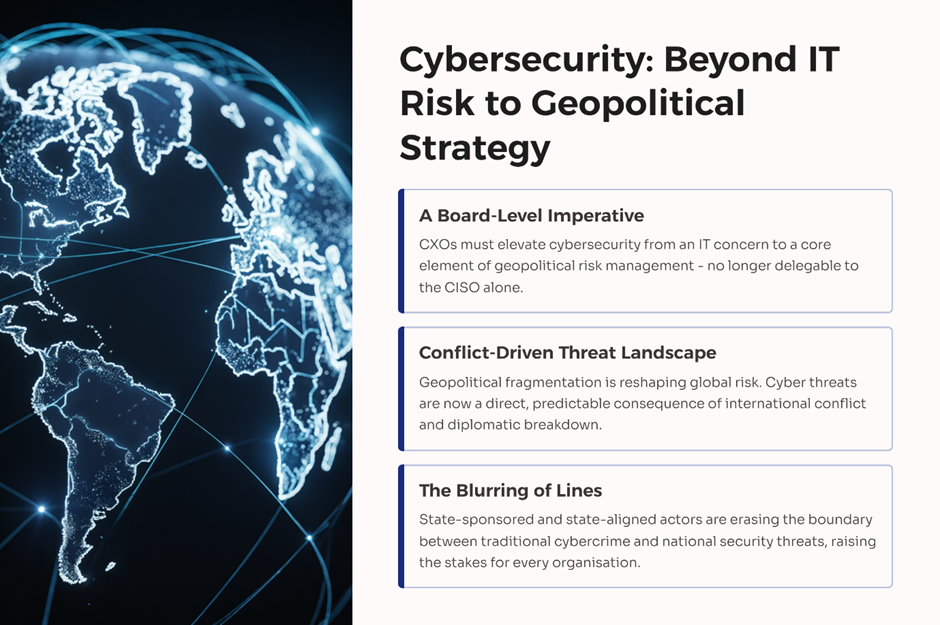
- CXOs must treat cybersecurity as part of geopolitical risk management, not just IT risk
- Organisations should prepare for indirect attacks through partners, vendors, and digital dependencies
- Building resilient identity and access controls becomes essential to maintain trust during uncertainty
- Business continuity planning must now include cyber resilience scenarios influenced by global conflicts
Final Strategic Takeaway
- In modern warfare, the objective is not always destruction; it is the disruption of trust
- Enterprises that can maintain secure, reliable, and trusted systems during instability will hold a significant competitive and strategic advantage
What This Means for Businesses
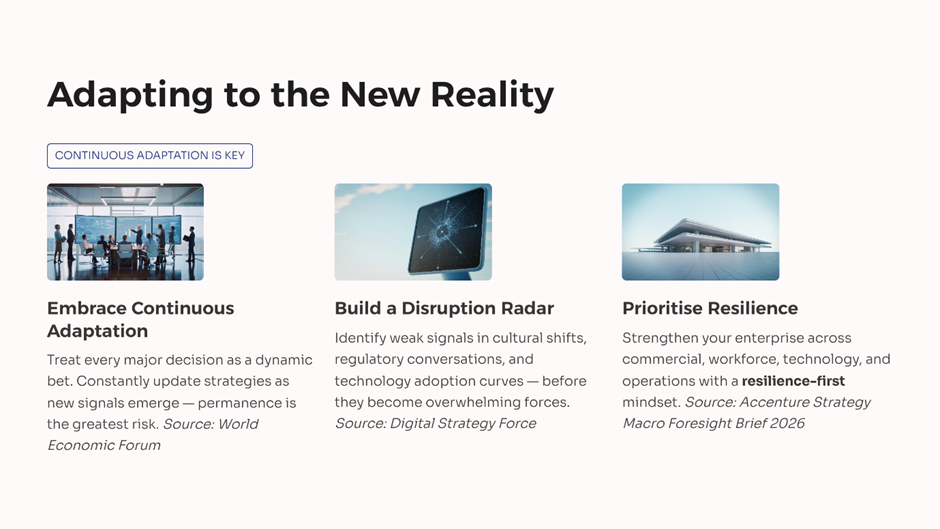
These are not isolated geopolitical events; they are signals of what modern disruption looks like:
- Critical infrastructure can be destabilised digitally
- Trust in systems can be eroded without physical damage
- Identity compromise can disrupt entire ecosystems
Key Insight
Cyber warfare has shown that:
Trust is no longer just a business asset. It is a strategic vulnerability.
Where Organizations Struggle
From a leadership lens, digital trust challenges are deeply systemic.
1. Lack of Visibility into Identity and Access
- Who has access to critical systems?
- Are permissions aligned with roles?
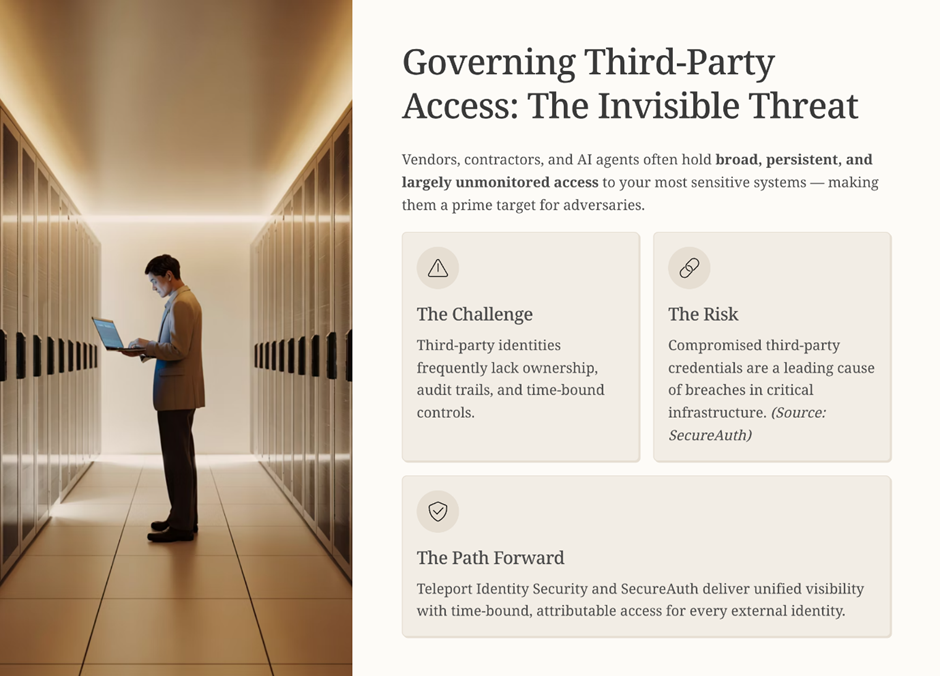
- How is third-party access governed?
Most organisations lack real-time visibility.
2. Fragmented Security Ecosystems
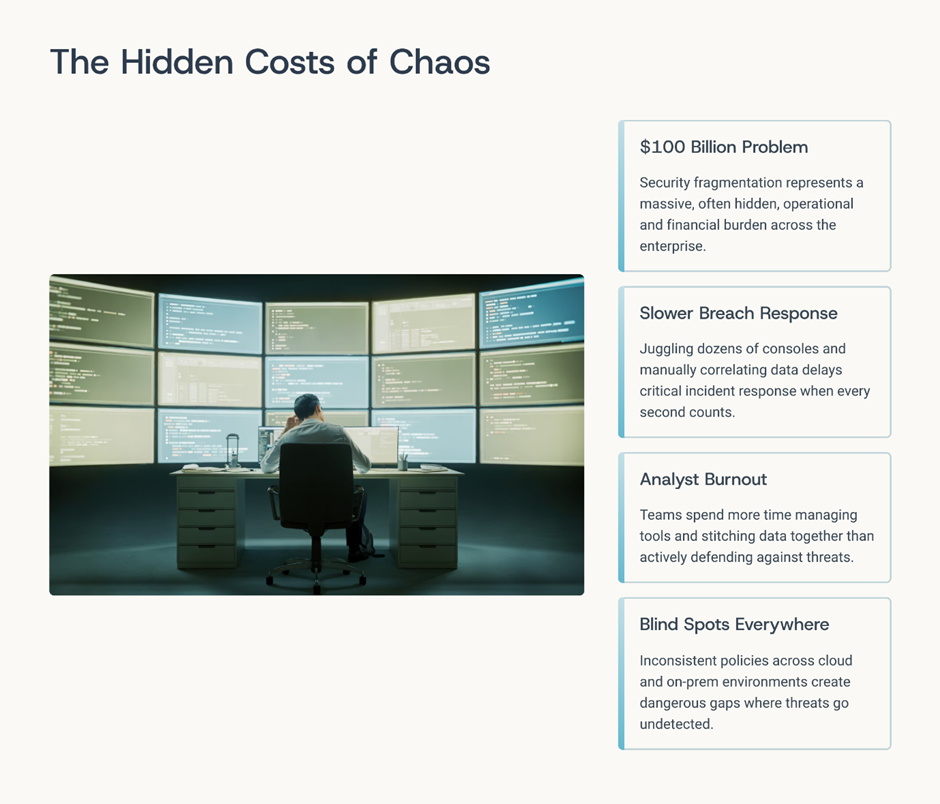
- Multiple tools, limited integration
- Inconsistent policies across cloud and on-prem
- Reactive rather than proactive controls
3. Third-Party and Supply Chain Exposure
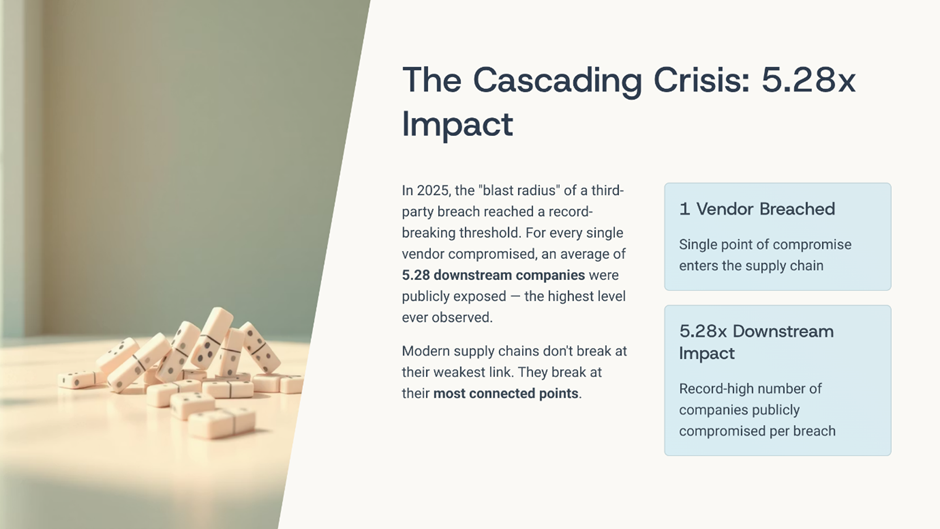
- Vendors and partners extend the attack surface
- Limited control over external identities
- Increasing reliance on interconnected systems
4. Rising AI-Driven Threats
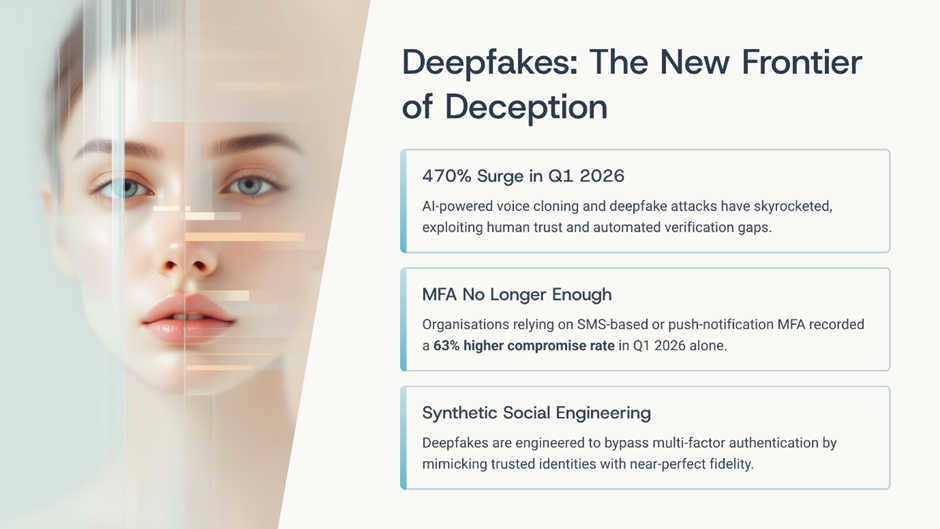
- Deepfake attacks affecting 47% of organisations
- AI-powered phishing and impersonation
5. Trust vs Growth Dilemma
CXOs face a constant trade-off:
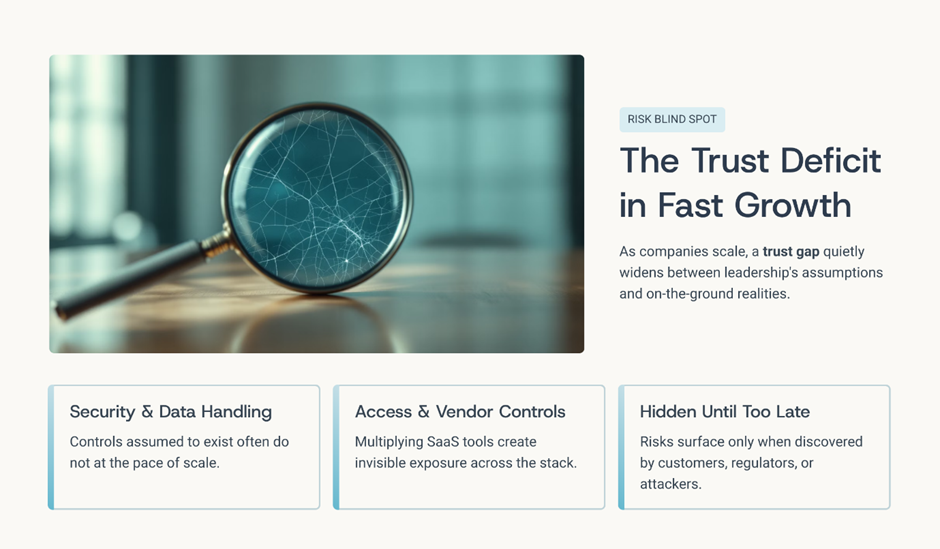
- Speed vs security
- Innovation vs governance
- Customer experience vs control
Why Digital Trust Is Now a Business Imperative
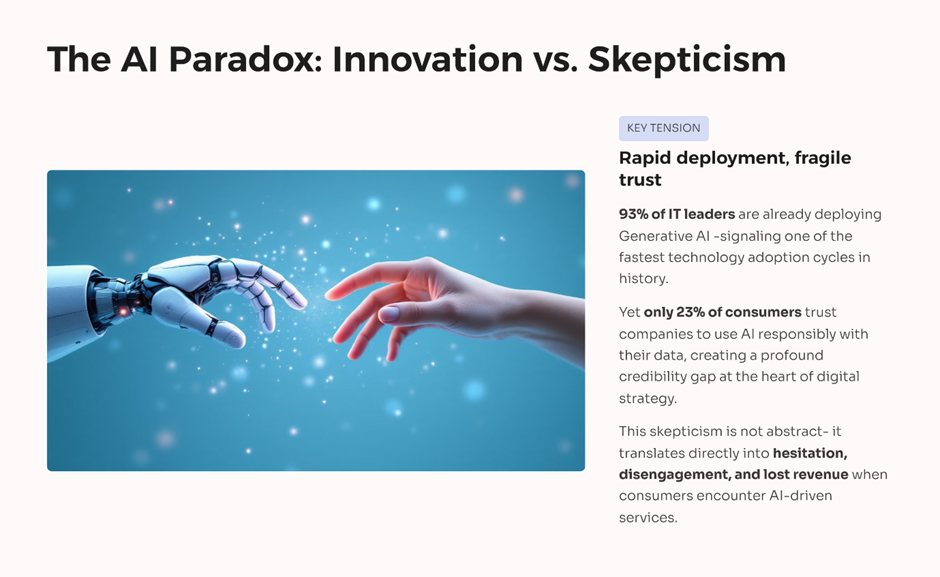
1. Trust Directly Impacts Revenue
- Customers are increasingly choosing brands that demonstrate strong data protection and transparency
- A single breach can lead to immediate customer churn and long-term brand damage
- In B2B environments, enterprises now evaluate vendors based on security posture before closing deals
- Strong digital trust frameworks can accelerate sales cycles and partnership decisions
From a CXO lens, trust is no longer intangible; it directly influences top-line growth and market competitiveness.
2. Trust Drives Investor Confidence
- Investors assess cybersecurity maturity as part of due diligence and valuation metrics
- Weak security controls signal operational risk and governance gaps
- Organizations with strong digital trust frameworks are perceived as more resilient and scalable
- Cyber incidents can delay or derail funding rounds, IPOs, and acquisitions
In today’s environment, trust is not just a customer metric; it is a financial signal to investors and stakeholders.
3. Trust Enables Digital Transformation
- Adoption of cloud, AI, and SaaS depends on secure identity and access management
- Without trust, digital initiatives introduce uncontrolled exposure across systems
- Employees and partners require seamless yet secure access to operate efficiently
- Trust ensures that innovation can scale without compromising governance or compliance
Digital transformation without trust creates risk.
Digital transformation with trust creates sustainable growth and resilience.
4. Trust Strengthens Regulatory and Compliance Posture
- Governments and regulators are enforcing stricter controls on data privacy and access governance
- Non-compliance can lead to significant financial penalties and operational restrictions
- Strong digital trust frameworks simplify audit readiness and regulatory reporting
- Organisations with mature trust models are better positioned to adapt to evolving regulations
For leadership, this means shifting from reactive compliance to proactive trust-building as a governance strategy.
5. Trust Builds Long-Term Brand Equity
- Trust differentiates brands in highly competitive digital markets
- Customers are more likely to stay loyal to organisations that prioritise security and transparency
- A strong trust reputation enhances customer retention and lifetime value
- In crisis scenarios, trusted brands recover faster and retain stakeholder confidence
Ultimately, digital trust is not just about protection; it is about building a brand that stakeholders can rely on in an uncertain digital world.
The Leadership Solution: Building Digital Trust at Scale
From a CXO standpoint, digital trust must be engineered, not assumed.
1. Make Identity the Foundation of Trust
- Implement Identity Governance and Access Management (IAM)
- Enforce least privilege access
- Monitor identity behaviour continuously
2. Adopt a Zero Trust Architecture
- Verify every access request
- Eliminate implicit trust
- Continuously assess risk
3. Strengthen Third-Party Governance
- Evaluate vendor access rigorously
- Monitor third-party activity
- Limit external permissions
4. Invest in Real-Time Visibility
- Use AI-driven monitoring tools
- Detect anomalies early
- Enable faster incident response
5. Align Cybersecurity with Business Strategy
- Integrate security into product and growth initiatives
- Position trust as a competitive differentiator
Key Questions Leaders Are Asking
What is digital trust in cybersecurity?
Digital trust is the confidence that systems, data, and identities are secure, reliable, and governed effectively.
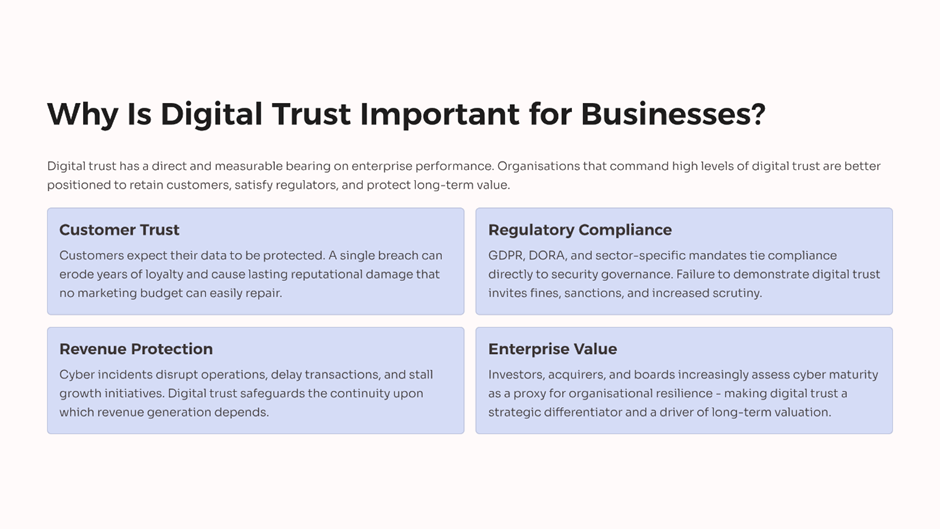
Why is digital trust important for businesses?
Because it directly impacts customer trust, compliance, revenue, and long-term enterprise value.
How can organisations build digital trust?
- Implement IAM and Zero Trust
- Strengthen identity governance
- Monitor access continuously
- Secure third-party ecosystems
What is the biggest threat to digital trust?
Identity compromise, supply chain attacks, and a lack of governance across digital ecosystems.
Future Outlook: Where Digital Trust Is Heading
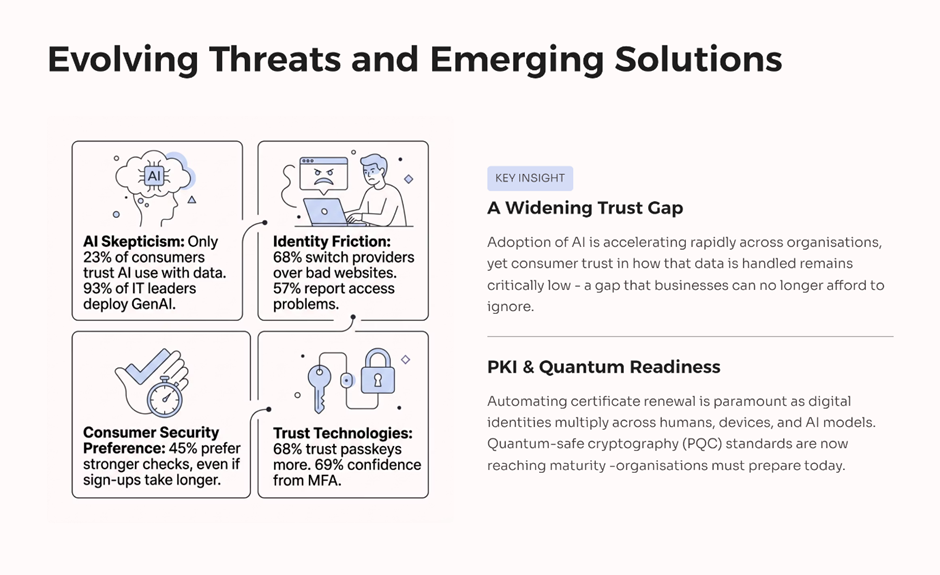
1. Identity Will Define Trust
- Authentication will evolve beyond passwords
- Continuous verification will become standard
2. AI Will Reshape Both Attack and Defence
- AI-driven attacks will increase
- AI-powered defence will become essential
3. Regulation Will Intensify
- Governments will enforce stricter data and identity controls
- Compliance will become a competitive requirement
4. Trust Will Become a Differentiator
- Organisations with strong trust frameworks will:
- Win customers faster
- Scale more securely
- Attract better partnerships
From Risk to Opportunity
Digital trust is often discussed in the context of risk.
But from a CXO perspective, it is far more than that.
It is an opportunity to:
- Build stronger customer relationships
- Enable secure innovation
- Differentiate in competitive markets
Final Thought
In a world where data is abundant and threats are constant,
Trust becomes the rarest and most valuable asset.
The organisations that invest in digital trust today will not only protect themselves from risk;
They will define the future of global business.