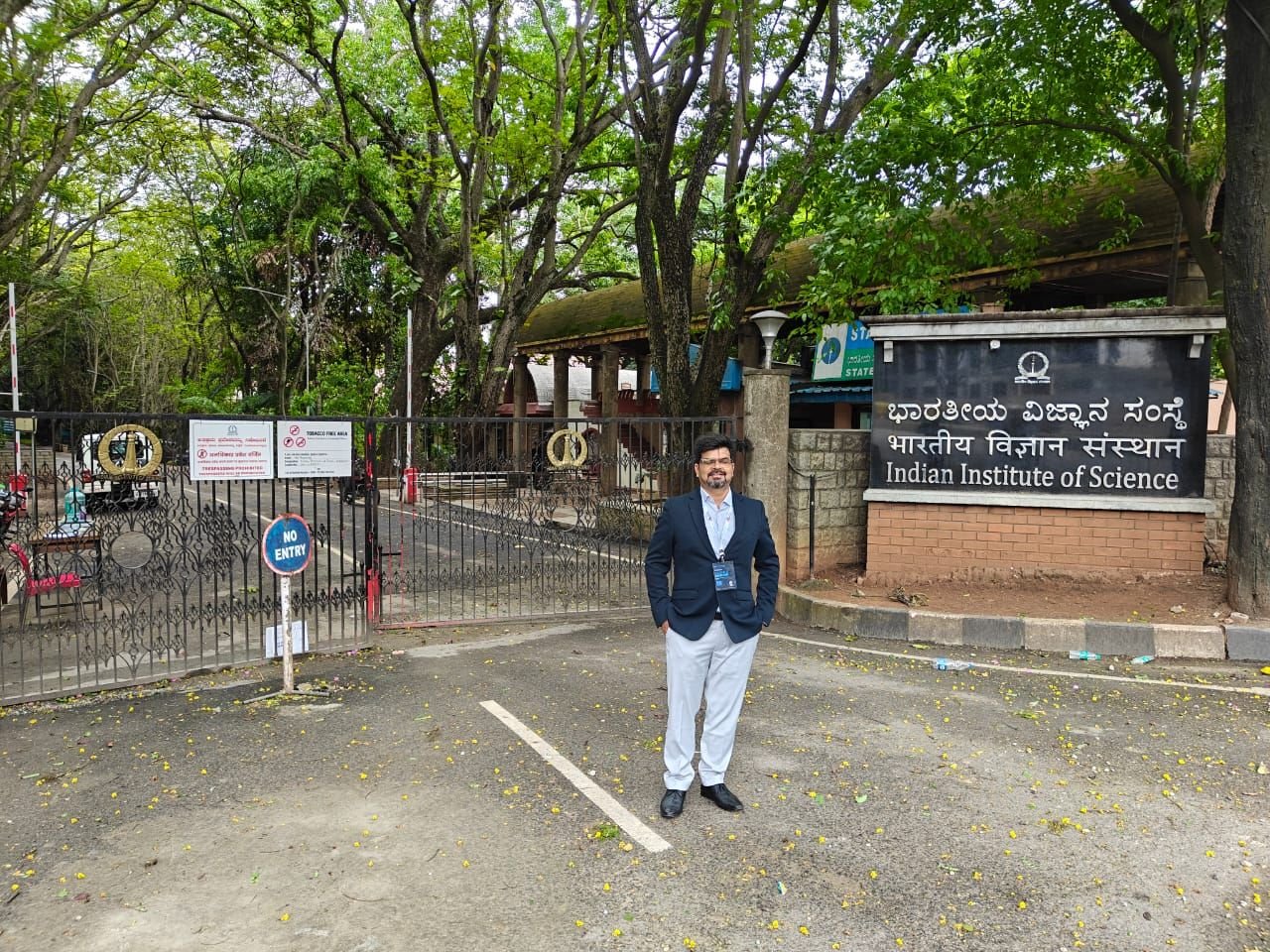
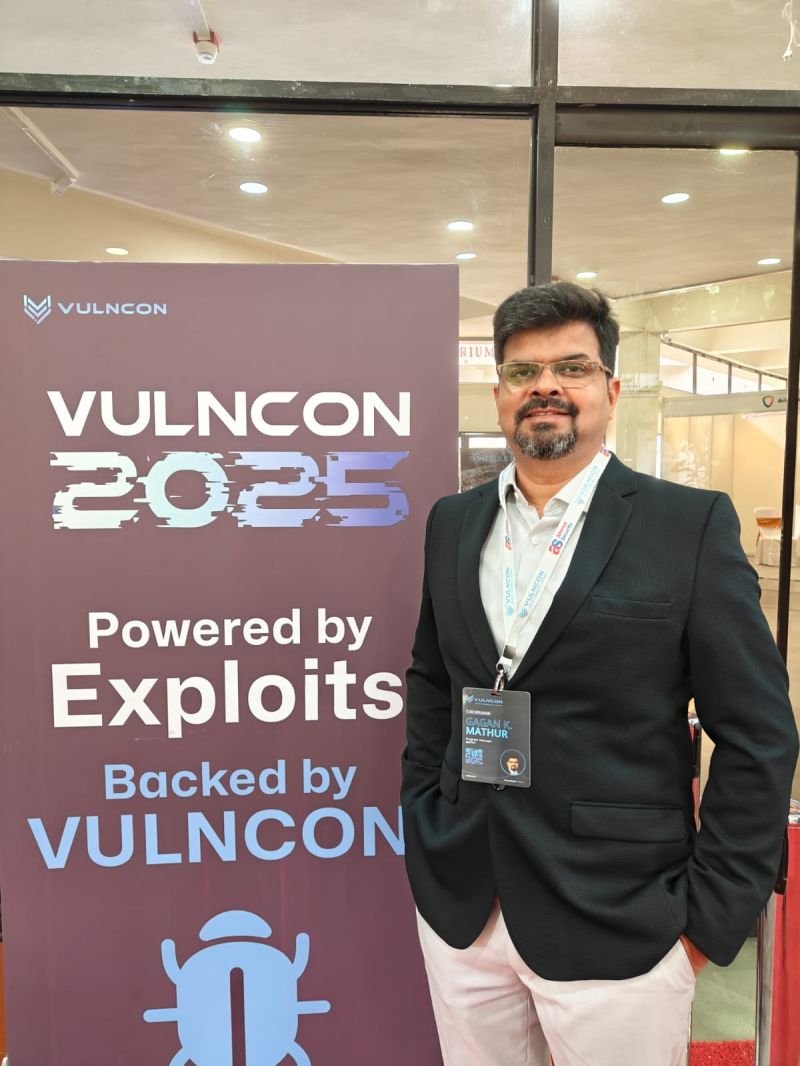
VULNCON 2025 at the Indian Institute of Science (IISc), Bengaluru, brought together cybersecurity practitioners, researchers and industry leaders to discuss some of the emerging challenges shaping the future of cybersecurity.
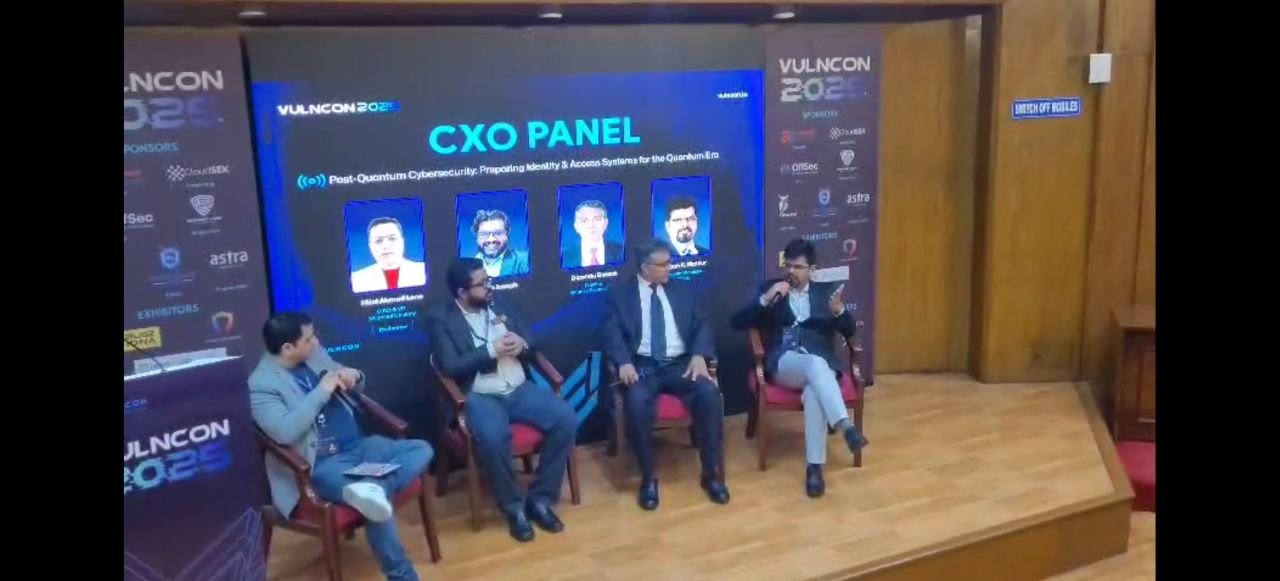
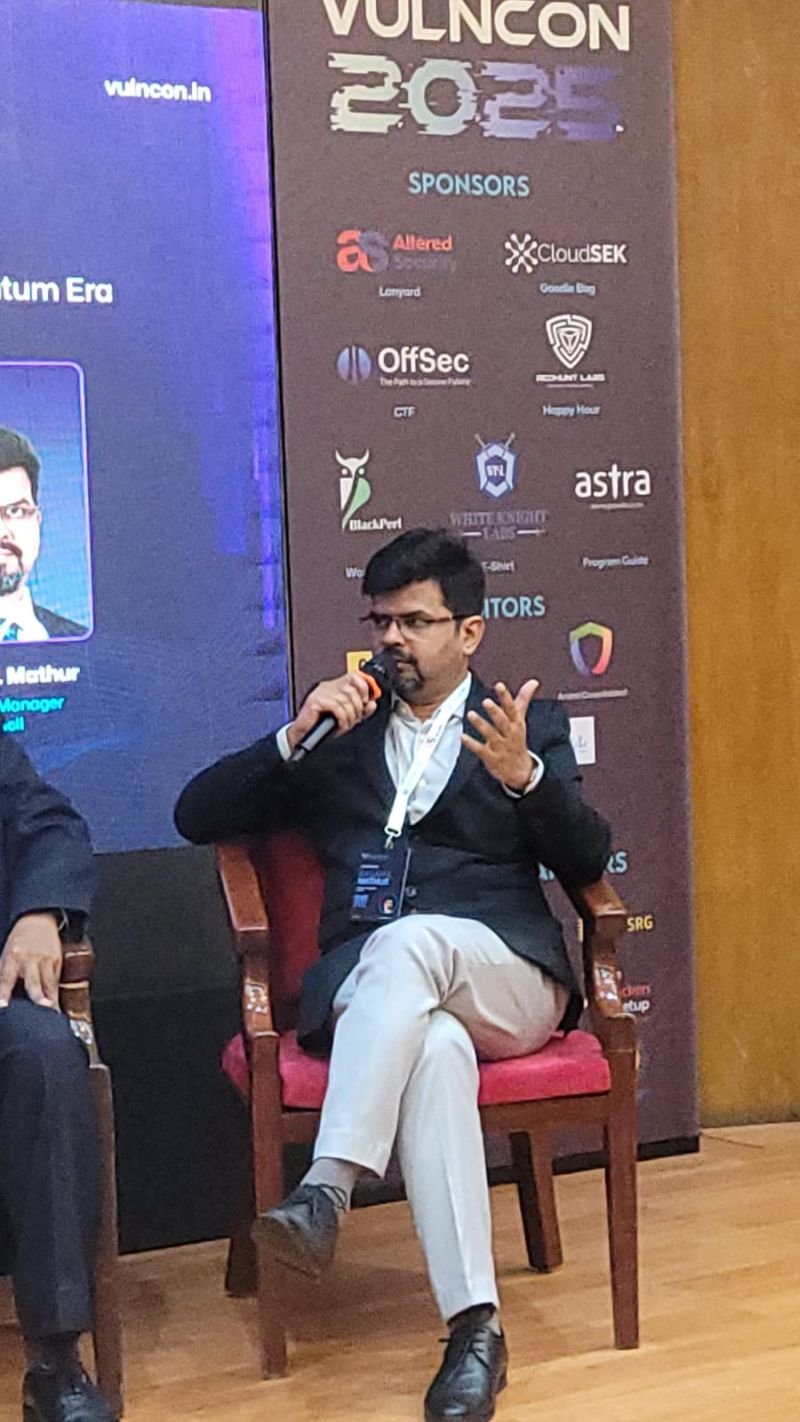
I had the opportunity to participate in a CXO panel on “Preparing Identity & Access Systems for the Quantum Era” – a topic that is becoming increasingly relevant as organizations consider the potential impact of quantum computing on today’s cryptographic foundations.
The discussion focused on a practical question: How can organizations prepare their identity infrastructure for a quantum future without unnecessarily disrupting the systems they rely on today?
Panel Topic Preparing Identity & Access Systems for the Quantum Era Panelists - Gagan Mathur, Jason Joseph, Dipendu Biswas, Moderator Hilal, Ahmad Lone
Session Snapshot
Role
CXO Panelist
Session Title
Preparing Identity & Access Systems for the Quantum Era
Embedding crypto-agility without breaking legacy IAM systems
Practical steps CISOs can take to build future-ready identity architectures
The debate between replacing cryptography and re-architecting IAM flows
Understanding where public-key cryptography is embedded across identity ecosystems
Designing IAM architectures that can adapt as cryptographic standards evolve
Balancing quantum preparedness with today’s operational and security requirements
Moving from technology replacement towards architectures designed to absorb change
Key Reflection
Crypto-agility is more practical than a “rip and replace” approach.
Preparing for the quantum era does not necessarily mean replacing an entire IAM landscape. Organizations need visibility into where cryptography is being used, understand the criticality of those dependencies, and build the flexibility to introduce new cryptographic approaches as standards evolve. IAM needs to be designed to absorb change.
Identity platforms are long-lived enterprise capabilities. Rather than designing them around today’s assumptions, organizations should build architectures that can evolve with cryptographic standards, technologies, and threat landscapes. Quantum readiness starts with understanding the current landscape.
Before organizations can prepare for future cryptographic risks, they need a clear view of where public-key cryptography is used across identity infrastructure and which business-critical processes depend on it. The transition will require both technology and architectural thinking.
Quantum readiness is more than simply a cryptography problem. It requires organizations to examine authentication flows, trust relationships, certificates, integrations and the broader IAM architecture through the lens of future resilience.
A heartfelt thank you to Hilal Ahmad Lone for moderating the panel with clarity and precision, and to my fellow panelists Jason Joseph and Dipendu Biswas for their valuable insights and perspectives.
My sincere appreciation to the VULNCON 2025 organising team, volunteers and everyone behind the scenes for creating such a meaningful platform for conversations that shape the future of cybersecurity.
To the audience, thank you for your curiosity, challenging questions and unmatched energy.
Here’s to more conversations that matter, more futures we build, and more stages where vision meets action. 🙌