
Virtual worlds are no longer experimental playgrounds. They are evolving into economic ecosystems. Users attend meetings, purchase digital assets, socialise, trade, and even work inside immersive platforms. Digital avatars now represent reputation, ownership, access, and financial value.
But beneath the excitement lies a deeper issue:
Who owns your identity in virtual worlds?
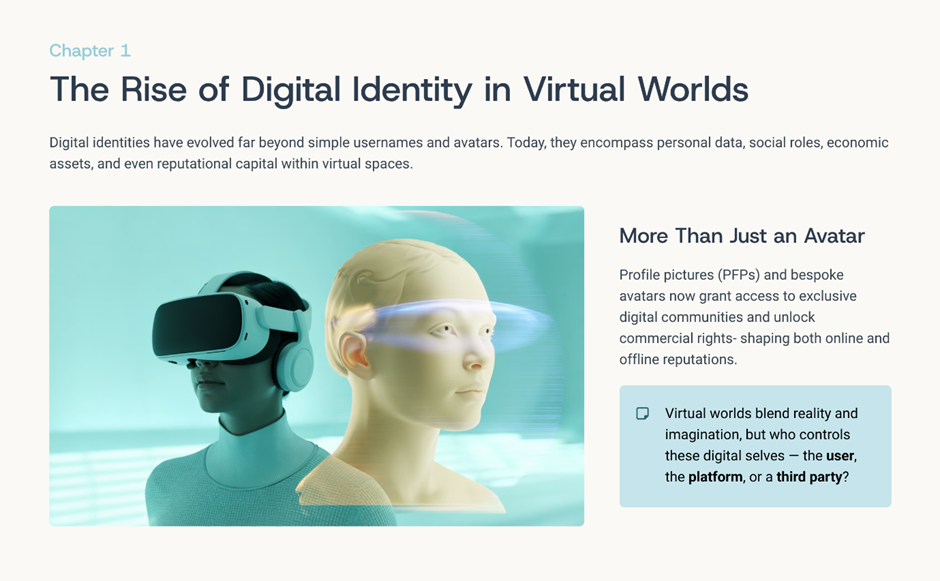
In traditional internet models, platforms control identity credentials, data storage, and access mechanisms. In virtual environments and Web3 ecosystems, identity becomes portable, tokenised, and wallet-linked. The lines between personal data, digital assets, and authentication blur.
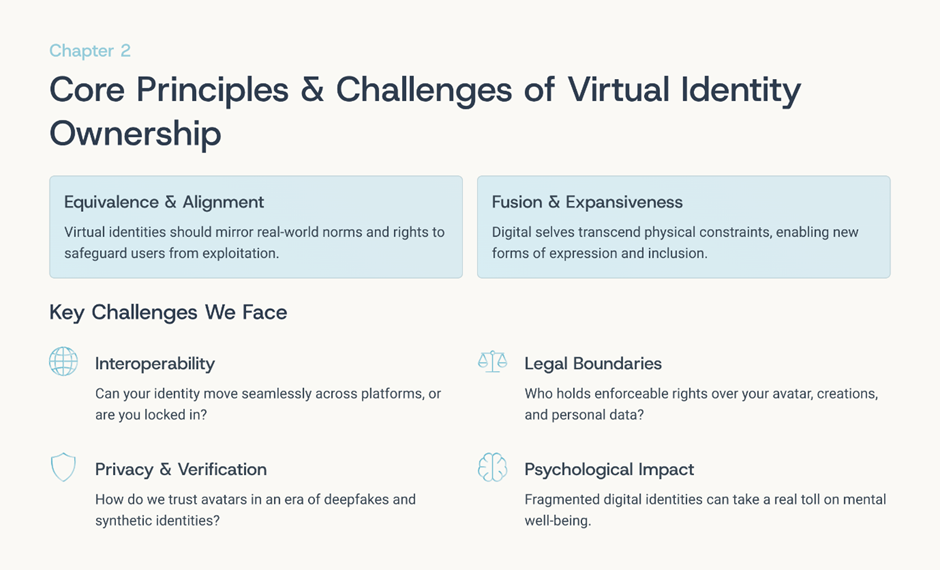
From a CXO perspective, this is not just a technology question. It is a governance question.
The Expanding Privacy Risk Landscape
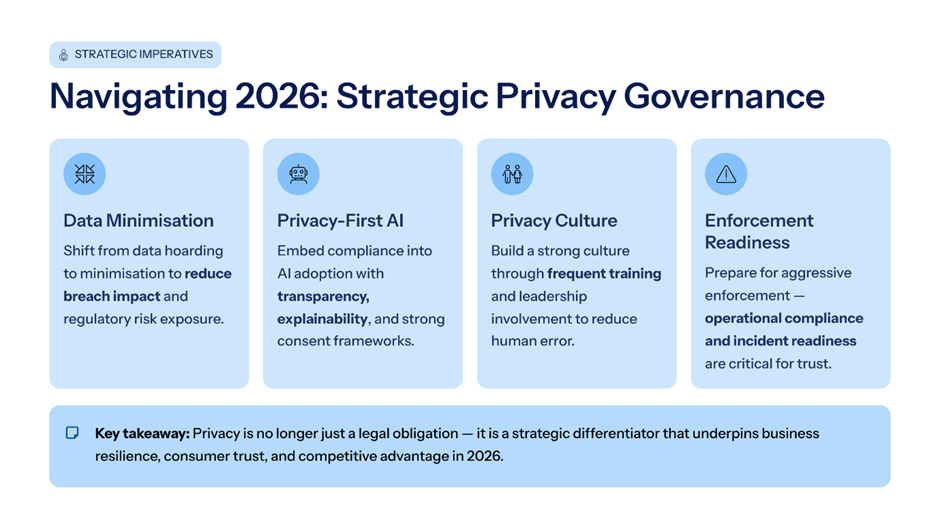
Virtual environments amplify privacy challenges because they combine:
- Real-time interaction
- Persistent digital identity
- Cross-platform presence
- Blockchain-linked transactions
- Biometric inputs (voice, gestures, facial expressions)
In immersive spaces, identity is not just an email address. It includes:
- Behavioural data
- Movement patterns
- Voice signatures
- Biometric markers
- Financial transaction trails
Unlike Web2 platforms, virtual worlds collect deeper behavioural signals.
This creates new privacy vulnerabilities.
Real-Time Privacy Concerns Emerging Globally
Across immersive platforms and decentralised ecosystems, several privacy challenges are already visible:
a. Biometric Data Exposure
Virtual reality systems capture:
- eye tracking
- facial movements
- body gestures
Such data can reveal emotional responses, intent, and health signals. If misused or breached, biometric identity cannot be “reset” like a password.
b. Wallet-Based Identity Tracking
In Web3 ecosystems, identity is often tied to blockchain wallets.
While wallets provide decentralisation, they also create:
- publicly traceable transaction histories
- cross-platform identity linking
- persistent behavioural footprints
Privacy becomes transparent by design unless carefully structured.
c. Synthetic Identity & Deepfake Avatars
AI-generated avatars and voice cloning tools make impersonation easier.
Risks include:
- identity spoofing
- asset theft
- reputational manipulation
- fraudulent governance participation
Authentication systems struggle to distinguish real users from synthetic ones.
d. Platform Data Control
Even in decentralised spaces, infrastructure providers still collect data.
Questions arise:
- Who stores behavioural data?
- Who analyses it?
- Who profits from it?
Decentralisation does not automatically guarantee privacy.
The Core Pain Points for Organisations
From leadership discussions globally, a few recurring pain areas stand out:
Fragmented Identity Standards
There is no universal framework governing identity across virtual worlds.
- Interoperability gaps
- Inconsistent verification models
- Limited regulatory clarity
This fragmentation weakens trust.
Accountability Gaps
When identity is decentralised, responsibility can become unclear.
- Who resolves disputes?
- Who enforces compliance?
- Who audits access decisions?
Without defined ownership, privacy protection weakens.
Regulatory Uncertainty
Governments are still shaping policies around:
- digital assets
- decentralised identity
- biometric data
- cross-border virtual transactions
Organisations face compliance ambiguity.
Erosion of User Trust
Trust is the invisible infrastructure of any digital ecosystem. In virtual worlds, it becomes even more critical because identity is persistent, immersive, and economically tied to real value. When users enter immersive platforms, they are not just logging in; they are investing time, assets, reputation, and sometimes capital. If identity protection fails, the damage is not only technical; it is psychological and reputational.
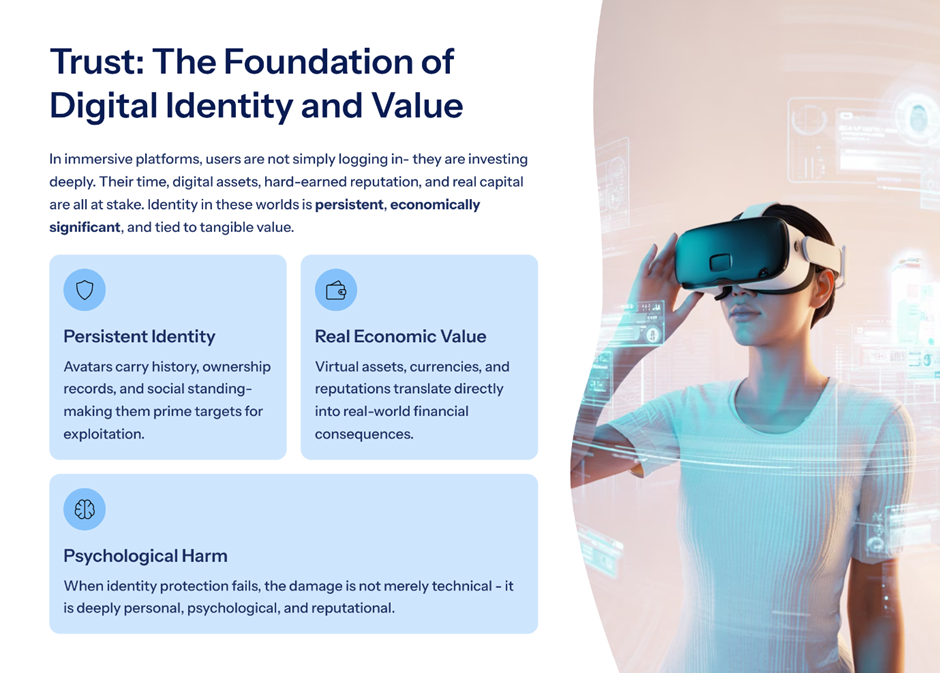
In virtual environments, users must believe that:
- Their avatars represent them accurately.
- Their digital assets are secure.
- Their biometric and behavioural data is protected.
- Their identity cannot be easily impersonated or manipulated.
Once that belief weakens, engagement drops.
The erosion of user trust often begins subtly and compounds quickly:
- Unclear Data Ownership
Users may not understand who controls their biometric data, behavioural analytics, or wallet-linked identity records. Ambiguity creates discomfort. - Opaque Authentication Models
If users cannot explain how identity verification works, they cannot assess its safety. Complexity without transparency reduces confidence. - Repeated Security Incidents
Reports of digital asset theft, deepfake impersonation, or wallet compromise create a perception that virtual environments are unsafe. - Lack of Recovery Mechanisms
In decentralised identity systems, losing access to keys or wallets can mean losing assets permanently. Without clear recovery pathways, trust declines. - Cross-Platform Vulnerability
When a compromised identity can cascade across multiple immersive platforms, users begin to question the stability of the entire ecosystem. - Perceived Surveillance
Continuous behavioural tracking, such as eye movement or gesture analysis, can feel intrusive if not governed transparently.
From a CXO perspective, trust erosion is not merely a user experience issue; it is a strategic risk. Trust affects:
- Platform adoption rates
- Brand credibility
- Investor confidence
- Regulatory scrutiny
- Long-term ecosystem sustainability
Rebuilding trust after a breach or privacy failure is significantly more expensive than designing systems that preserve it from the start.
Organisations operating in virtual worlds must proactively protect trust by:
- Communicating identity governance clearly
- Implementing strong, transparent authentication models
- Providing recovery and redress mechanisms
- Auditing data practices regularly
- Engaging openly with users about privacy standards
In immersive ecosystems, trust is not optional. It is the currency that sustains participation. When identity security is strong and governance is visible, trust compounds. When identity protection is unclear, trust erodes silently, making it exponentially harder to rebuild.
The future of virtual worlds depends not only on technological sophistication, but on the durability of user confidence.
Why Identity Ownership Matters More Than Ever
In virtual worlds and immersive digital ecosystems, identity is no longer a simple username attached to a profile. It has evolved into a persistent digital presence that carries economic value, access authority, and reputational weight. In many cases, a user’s avatar is linked to digital assets, governance rights, social influence, and even real-world financial exposure. This transformation makes identity ownership one of the most critical questions of the emerging digital era.
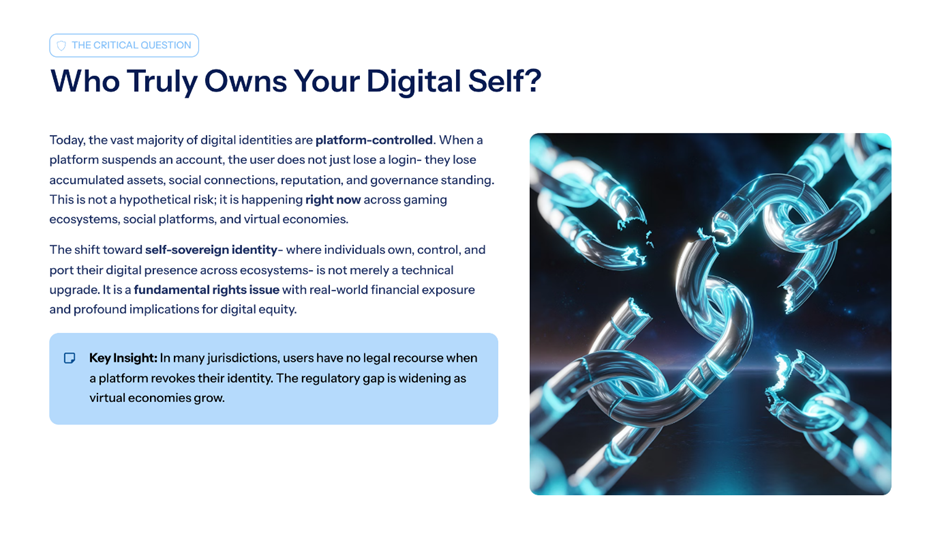
Unlike traditional platforms where identity is platform-controlled, virtual environments increasingly rely on decentralised identity models, wallet-based access, and portable credentials. While this shift offers empowerment, it also raises deeper concerns about responsibility, accountability, and long-term privacy impact.
Identity ownership now matters more than ever because:
- Identity equals economic value.
Avatars can hold NFTs, tokens, digital land, and other virtual assets with real monetary worth. If identity control is compromised, financial exposure is immediate. - Access determines influence.
In decentralised autonomous organisations (DAOs) and governance models, identity can grant voting rights and decision-making authority. Misused identity can distort digital governance structures. - Reputation becomes persistent.
Blockchain-linked identities often create permanent transaction histories. While this supports transparency, it can also lock individuals into unchangeable digital records. - Data trails are deeper and more behavioural.
Virtual environments collect interaction patterns, movement data, biometric inputs, and social connections. Identity ownership must extend beyond credentials to behavioural privacy. - Cross-platform interoperability increases exposure.
As identity becomes portable across virtual worlds, a single compromised credential can cascade across multiple ecosystems. - Biometric signals cannot be reset.
Eye tracking, voice data, and facial mapping, if breached, cannot simply be “changed” like passwords.
From a CXO perspective, identity ownership is no longer a technical implementation detail. It is a strategic risk consideration that intersects with compliance, customer trust, and long-term brand credibility. Leaders must ensure that ownership does not merely mean user access, but also includes:
- Clear governance frameworks
- Defined accountability structures
- Transparent consent mechanisms
- Revocation and recovery pathways
- Secure key and wallet management
In virtual worlds, identity is infrastructure. If ownership is unclear or weakly governed, trust erodes quickly. Conversely, when identity ownership is clearly defined, responsibly managed, and transparently communicated, it becomes a foundation for scalable digital ecosystems.
As immersive platforms grow more economically active, the organisations that treat identity ownership as a board-level priority, not just a technical function, will be best positioned to lead responsibly in the next phase of digital evolution.
Solutions from a CXO Perspective
Privacy in virtual worlds cannot be solved by technology alone. It requires structured governance, intentional architecture, and leadership clarity.
Here is what forward-thinking organisations are prioritising:
1. Adopt Decentralised Identity (DID) with Governance Controls
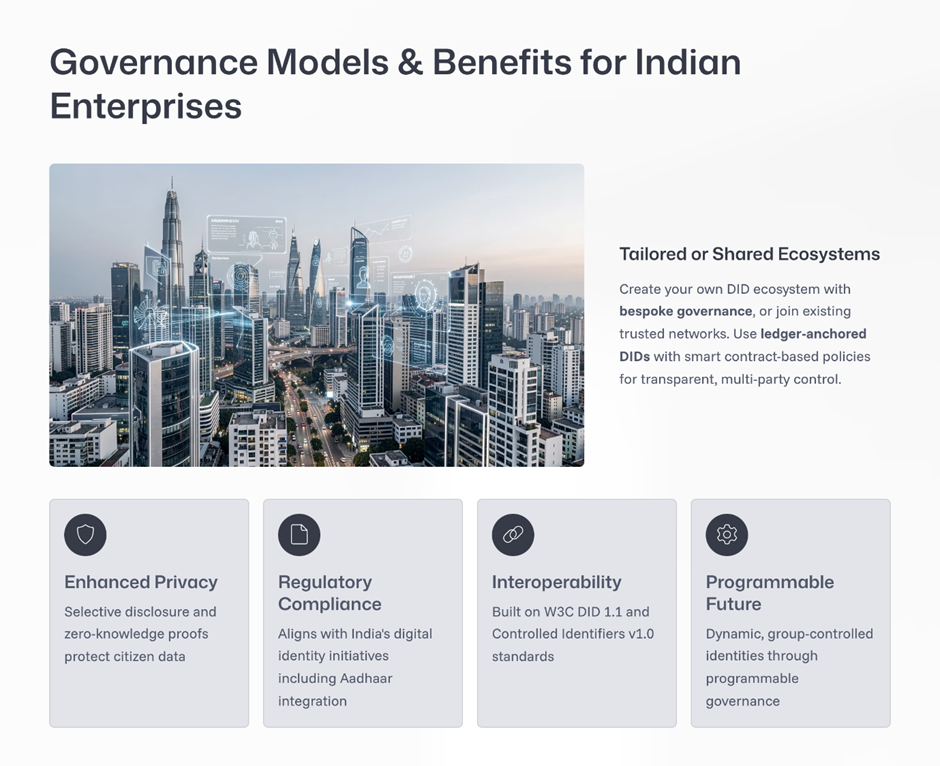
Decentralised identity frameworks allow users to:
- Control credentials
- Share minimal required data
- Verify identity without centralised storage
However, organisations must also ensure:
- Clear audit trails
- Secure key management
- Revocation capabilities
- Policy enforcement layers
Decentralisation must coexist with governance.
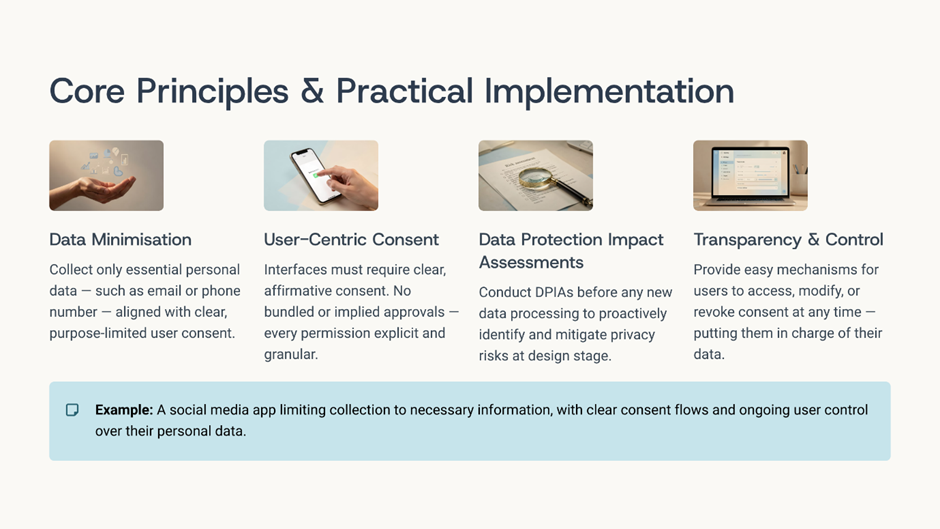
2. Implement Privacy-by-Design Architecture
3. Introduce Continuous Identity Verification
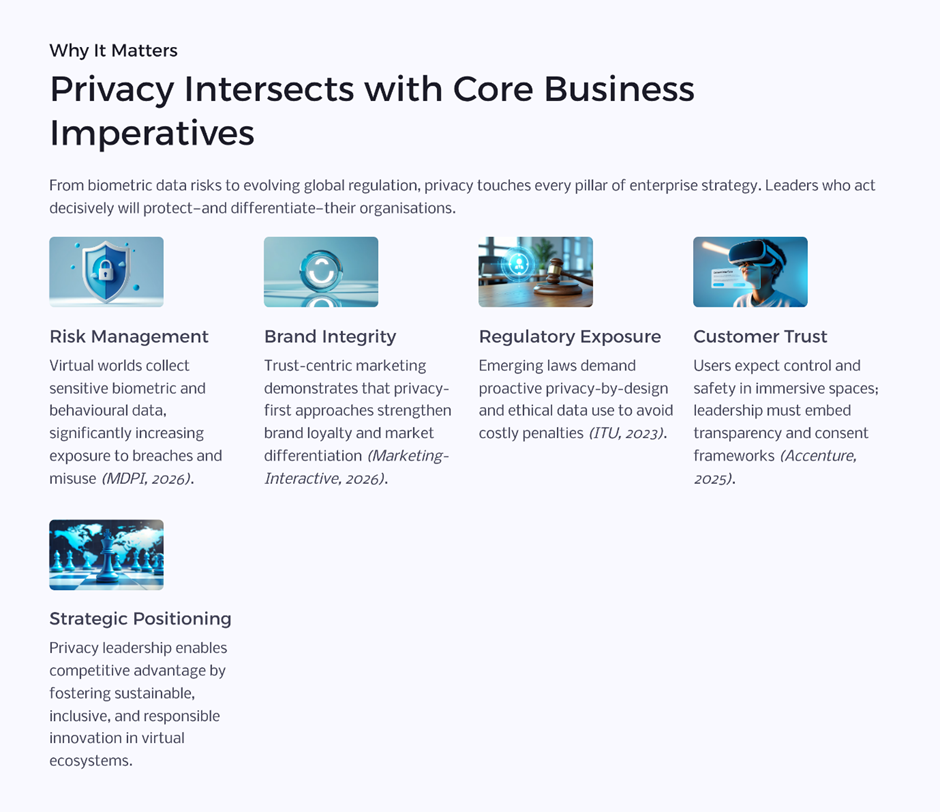
Static authentication fails in dynamic virtual spaces.
Leaders should support:
- Behavioural validation
- Multi-factor authentication layers
- Wallet verification checks
- Real-time anomaly detection
Trust must be dynamic.
4. Establish Cross-Platform Identity Standards
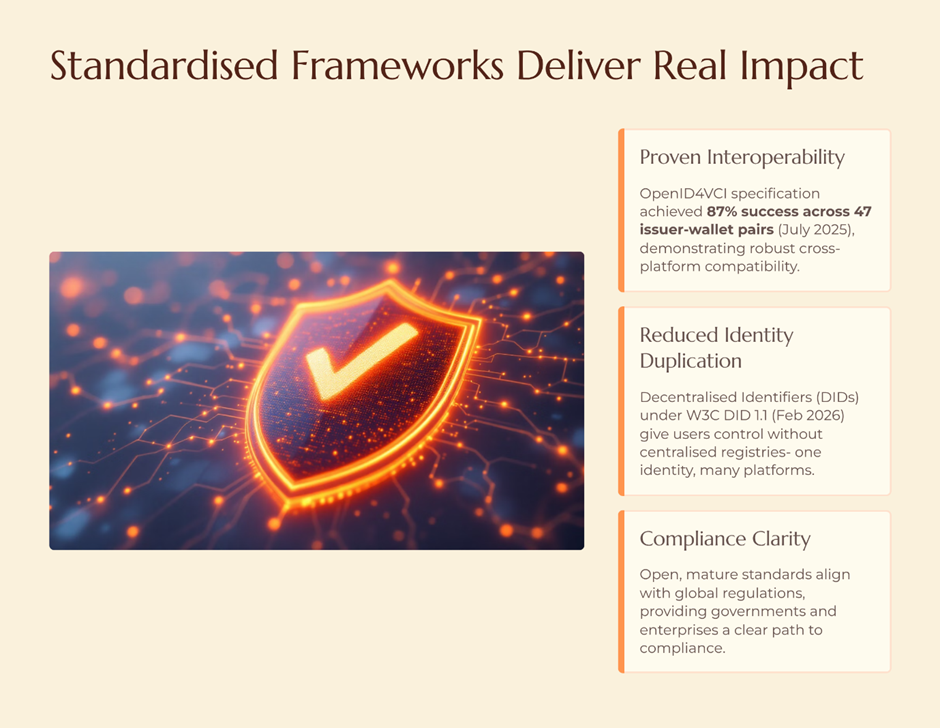
Industry collaboration is essential.
Standardised frameworks can:
- Improve interoperability
- Reduce identity duplication
- Enhance compliance clarity
- Protect users across ecosystems
Without standards, fragmentation persists.
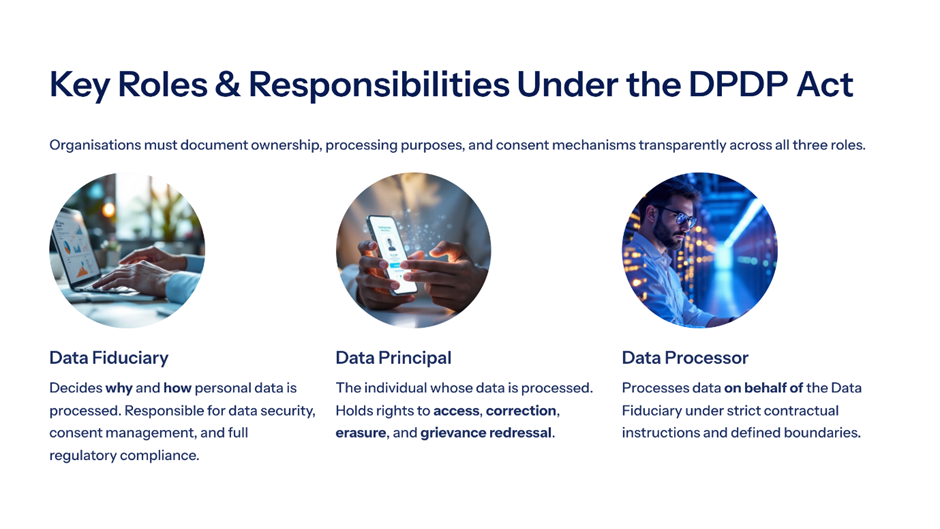
5. Define Clear Data Ownership Policies
Organisations must articulate:
- What data is collected
- Why is it collected
- How long is it retained
- Who can access it
Transparency builds resilience.
The Strategic Opportunity
While much of the discussion around privacy in virtual worlds focuses on risk, data breaches, identity theft, and biometric misuse, there is a powerful strategic opportunity emerging beneath these concerns. Virtual environments are still in formative stages. Unlike the early days of Web2, where privacy was often an afterthought, immersive ecosystems today are being built under far greater scrutiny. This creates a rare window for organisations to design identity frameworks with foresight rather than correction.
Virtual worlds offer the opportunity to rethink identity from the ground up. Instead of inheriting legacy authentication models, organisations can embed decentralised identity (DID), self-sovereign identity (SSI), and privacy-by-design principles at the architectural level. Leaders have the chance to avoid repeating the centralisation pitfalls that dominated earlier digital platforms.
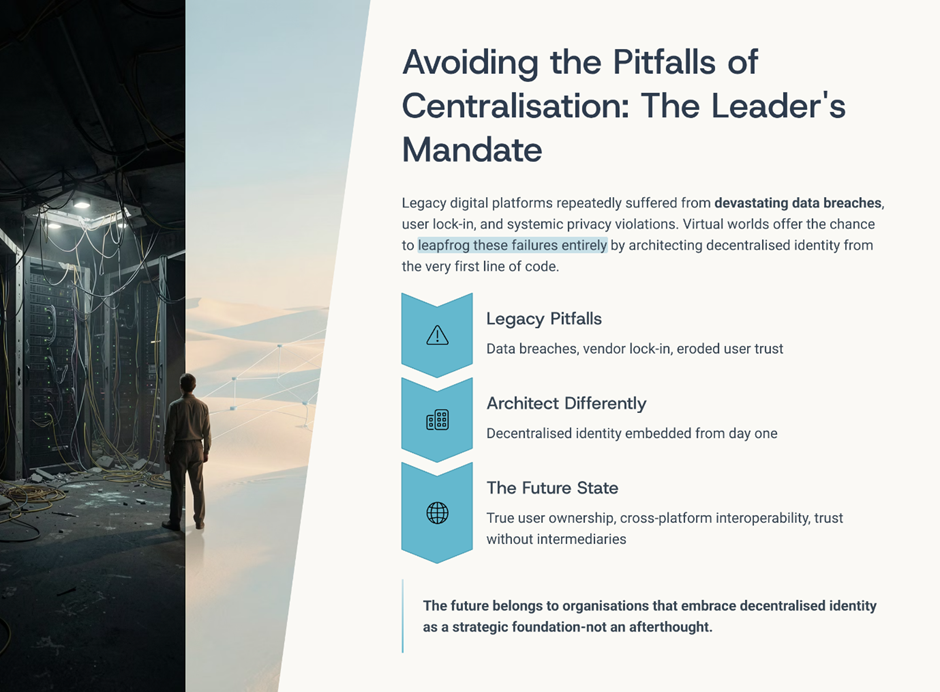
This opportunity becomes clearer when viewed through a strategic lens:
- Trust can become a competitive differentiator. Platforms that prioritise identity transparency and user control will attract higher-value participants and institutional partners.
- Privacy-first ecosystems can accelerate adoption. Users are more willing to engage, transact, and invest when their digital identity feels protected and respected.
- Regulatory readiness becomes a long-term advantage. Early alignment with emerging global digital identity standards reduces future compliance friction.
- Interoperability can unlock scalable growth. Secure, portable identities enable cross-platform participation without duplicating risk.
- Responsible innovation builds brand durability. Organisations that embed governance early avoid reputational damage later.
The strategic advantage lies not in moving fastest, but in building most responsibly. Virtual worlds will expand regardless. The question is whether they expand with structured trust or fragmented risk.
For CXOs, this moment is less about technological enthusiasm and more about architectural discipline. The organisations that treat identity governance as a strategic infrastructure, rather than a backend control, will shape how privacy evolves in immersive economies.
Virtual worlds are not simply new platforms. They are new identity ecosystems. And those who recognise this shift early will lead the next chapter of digital trust.
The Role of Leadership
From a CXO standpoint, privacy in virtual worlds is not an IT initiative. It intersects with:
- Risk management
- Brand integrity
- Regulatory exposure
- Customer trust
- Strategic positioning

Leaders must ask:
- Can we explain how identity data is governed?
- Can we defend our privacy practices publicly?
- Are we balancing decentralisation with responsibility?
Ownership of identity governance must sit at the executive level.
A Positive Path Forward
Virtual worlds are redefining interaction, ownership, and commerce. Identity within these environments carries more weight than ever before.
The future will not be shaped by platforms alone. It will be shaped by leaders who recognise that privacy and innovation are not competing priorities.
They are complementary.
By embracing:
- decentralised identity frameworks
- privacy-first architecture
- accountable governance
- adaptive authentication
Organisations can create immersive ecosystems that are both dynamic and trustworthy.
Virtual worlds are expanding.
Identity must evolve with them.