

Security used to be a gate. Now, it’s becoming a living organism.
Identity is no longer an object stored in a directory. It is an experience; continuously re-evaluated, analysed, predicted, and adapted. In the next wave of IAM modernisation, access decisions won’t wait for user authentication. They’ll act before an authentication request even takes form. They will think before you do.
This isn’t speculation anymore. We are standing inside the transition. The Future Is Now.
Access Intelligence Is Replacing Access Control
Traditional IAM was simple: Verify → Allow/Deny → Log.
But, simplicity never scaled well.
When identities multiplied, employees → vendors → contractors → bots → APIs → service accounts; IAM became a traffic management problem. Access governance became reactive, slow, checklist-driven, and dangerously human-dependent.
Now, IAM is evolving into a thinking system.
Future access environments won’t ask: “Is this user authenticated?”
They will ask: “Should this user be here, right now, under these conditions?”
The new model isn’t a Static Identity. It is a Dynamic Justification.
What drives this shift?
- Machine identities outgrow humans by 10–50x
- Attackers automate faster than defenders can configure
- Zero Trust demands continuous proof, not a one-time login
- Organisations are drowning in entitlement sprawl
- AI can now detect patterns humans miss
- Multi-cloud access and IdP fragmentation create policy chaos
Identity isn’t the perimeter. Identity is the environment.
Real-World Trigger: The MGM 2023 Breach
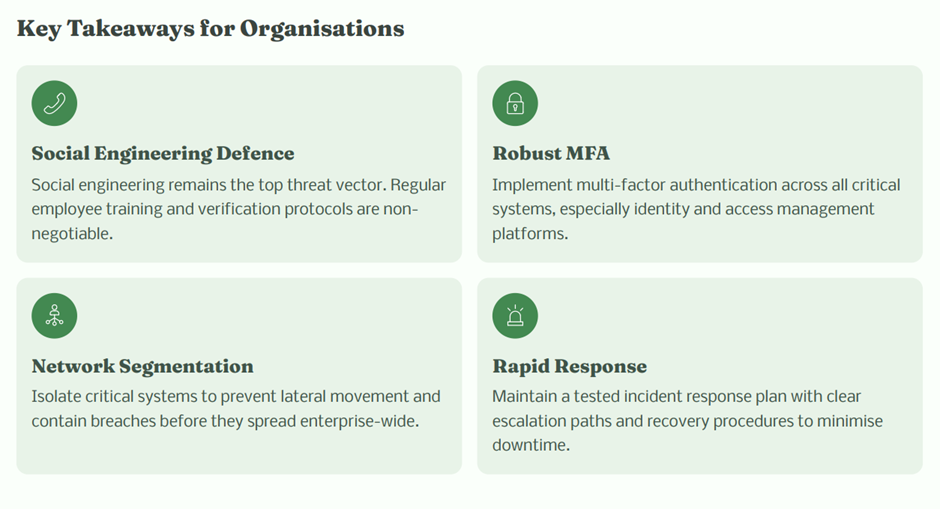
When the MGM attack occurred, one truth became undeniable: “A single help-desk voice verification became the crack in the castle wall.”
…The attacker didn’t break encryption.
…They didn’t bypass MFA using technology.
…They bypassed identity trust using influence + opportunity.
An AI-enabled IAM system would have caught it:
- Impossibly fast privilege escalations
- Out-of-role activity
- Non-standard department access
- Time-of-day mismatch
- Geo-location inconsistency
Traditional IAM reacts after incident correlation.
AI-driven IAM flags intent mid-execution. This is how access decisions begin, thinking before the user acts.
Identity Mesh Makes Real-Time Thought Possible
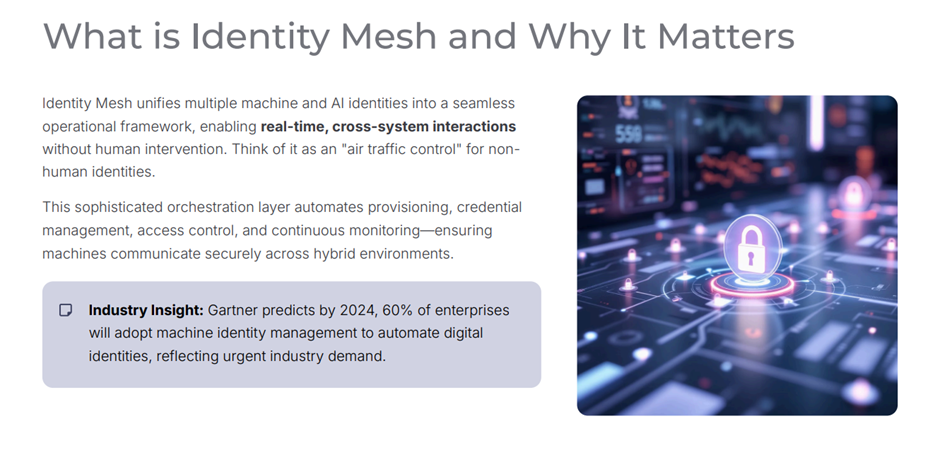
Identity Mesh is the missing neurological layer – “the synaptic link between identities, signals, and decisions.”
Old IAM thinking: Each app → its own directory → its own policy → its own audit.
Mesh thinking: One identity → infinite apps → one decision brain.
Identity Mesh turns IAM from:
| OLD | NEW |
| Siloed policy engines | Unified policy orchestration |
| Centralised enforcement | Distributed enforcement |
| Manual certification | Continuous identity posture |
| Periodic review | Real-time risk scoring |
| Human-approved access | Machine-predicted access |
We used to authenticate at the door.
Now IAM unlocks based on context, behaviour, and future probability.
Access becomes less like a badge…and more like a heartbeat.
AI Will Predict Intent, Not Validate Identity
Authentication historically asked one question: “Are you who you claim to be?”
Soon it will ask five more:
- Are you behaving like yourself?
- Is this consistent with your historical patterns?
- What is the likelihood you will misuse this access?
- Is this activity normal for someone in your role?
- What might you try to access next?
This is Predictive Authorisation.
…the holy shift from Authentication → Anticipation.
What signals will AI read?
- Typing rhythm & cursor movement
- Session velocity patterns
- Active vs passive data behaviour
- Previous access patterns
- Department access graph correlation
- Peer-group deviations
- Machine identity workload temperature
In 2028, your IAM might say:
“I’m revoking this access; your intent score changed.” Not malicious intent.
Just non-baseline identity movement.
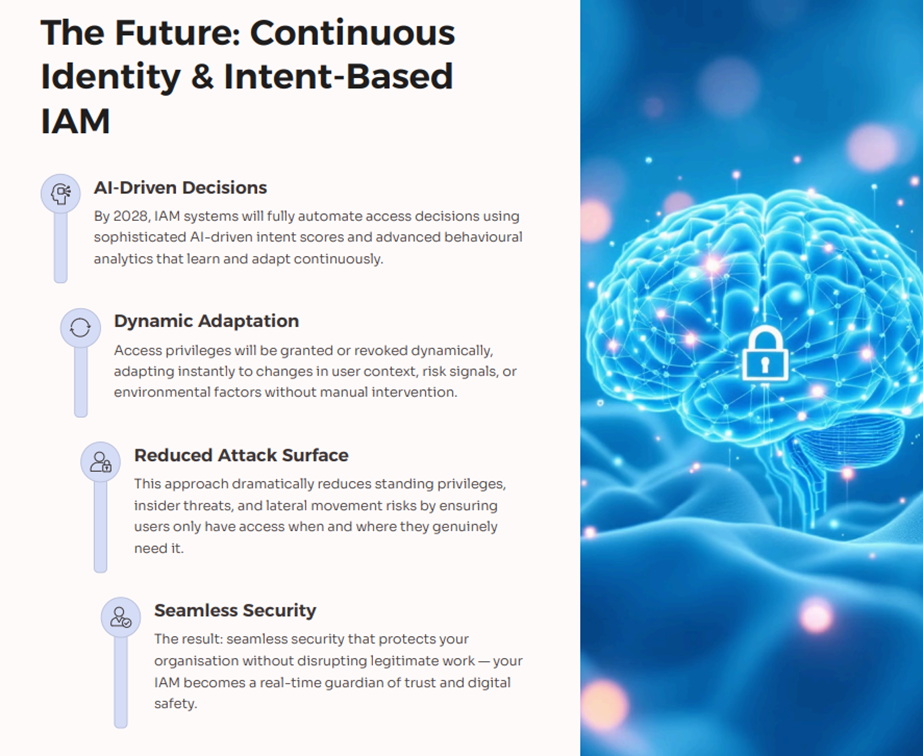
…IAM will think.
…IAM will feel movement.
…IAM will anticipate failure.
Zero Trust Will Grow Teeth
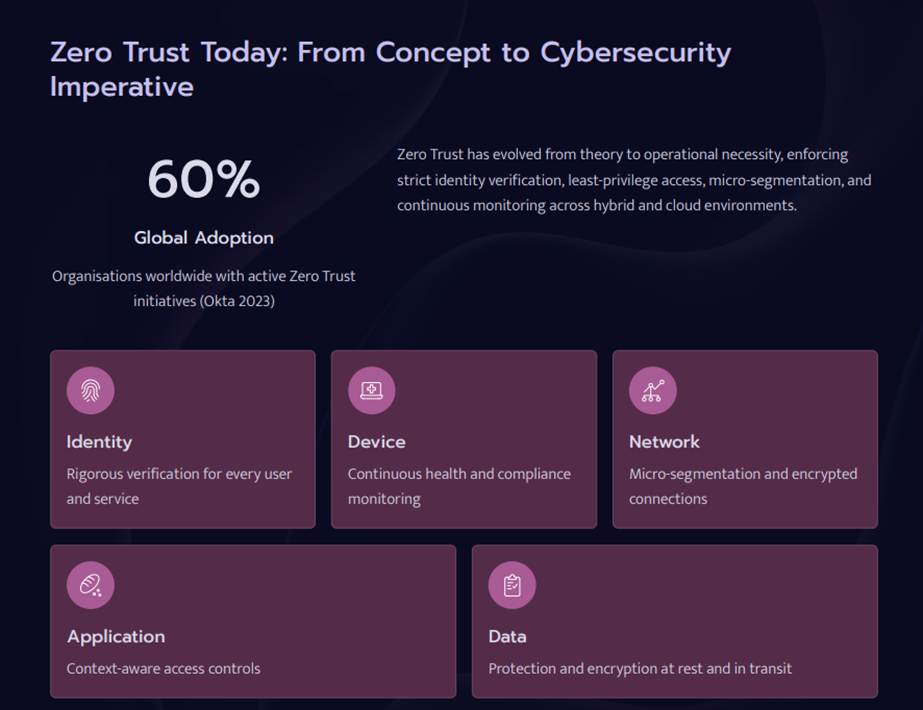
Zero Trust was always conceptually powerful.
Its weakness wasn’t the model, it was human-dependent enforcement.
If Trust must never be Assumed, then Trust checks must Never Sleep.
With AI-driven identity intelligence and mesh-distributed policy, Zero Trust stops being literature and becomes an autonomous security organ.
It will:
- auto-revoke Lateral Movement
- terminate Abnormal Privilege Elevation
- isolate Anomalous Identity Sessions
- de-scope access without Admin Triggers
Zero Trust doesn’t work because we command it.
It works because IAM thinks faster than risk moves.
Machine Identities Will Become More Important Than People
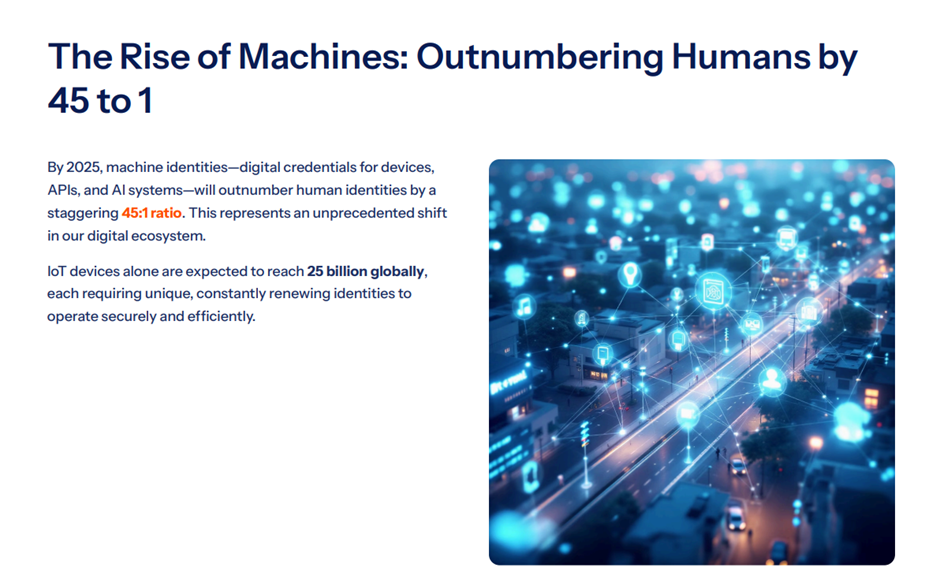
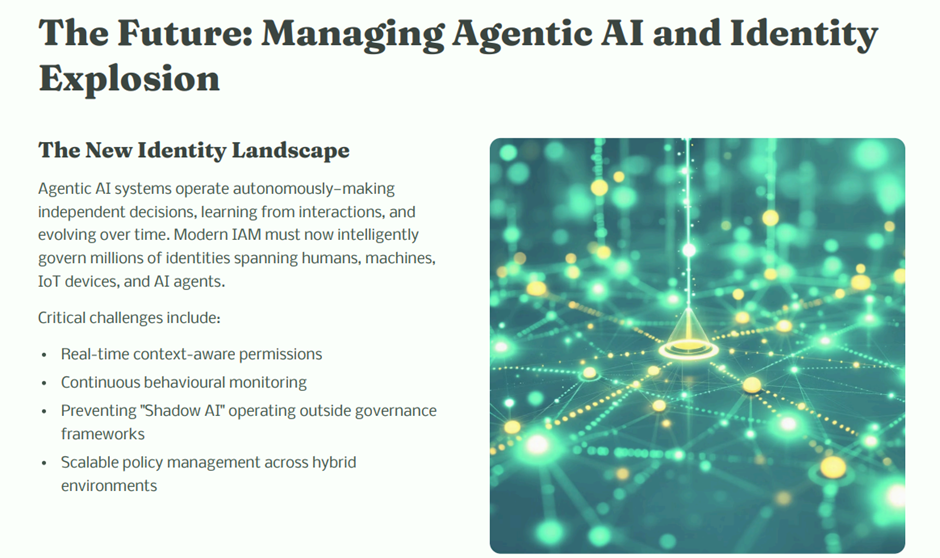
By 2030, machine identities will outrank humans 40:1 in enterprise environments – APIs, workloads, containers, micro-services, and autonomous agents; they are already consuming more access than employees.
– Human IAM was step one.
– Machine IAM is the WAR.
If machine identities break, entire systems fall.
- CI/CD pipelines halt
- Payment rails corrupt
- Trading algorithms stop mid-order
- Real-time AI decisions collapse
- Critical infrastructure loses autonomy
Today’s IAM isn’t ready for machine dominance.
Tomorrow’s IAM will treat machines like sovereign users.
Machine identities will have:
- Behavioural baselines
- Risk-weighted privilege tiers
- Certificate rotation lifespan
- Scope-based mesh routing
- AI-driven kill switch policies
We always designed IAM for humans.
Now 90% of the network doesn’t breathe.
The Future IAM Stack (You’ll See This Everywhere)
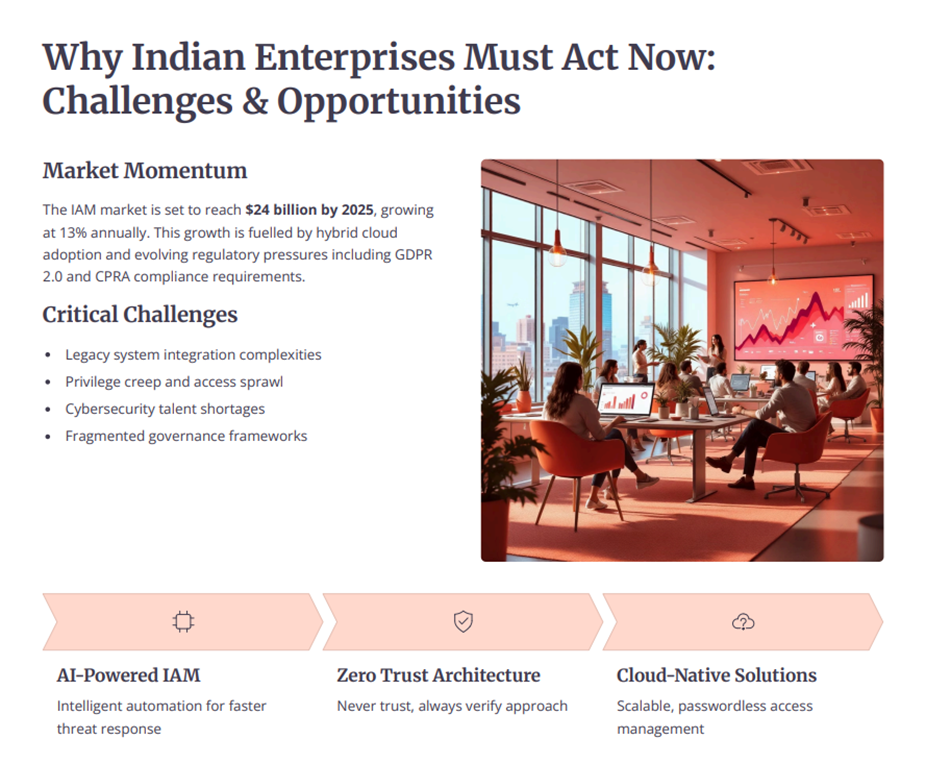
IAM modernisation doesn’t replace; it’s re-architecture.
The new identity stack will look like:
1. Passwordless primary authentication
Phishing-resistant, key-bound, hardware-anchored.
2. Identity Mesh for policy orchestration
Distributed enforcement → zero bottlenecks.
3. AI-driven Predictive Authorisation
Access THINKS before approval.
4. Post-Quantum Cryptography
Because RSA won’t survive physics.
5. Machine Identity Lifecycle Automation
No more orphaned service accounts.
6. Real-Time Visibility
Identity posture graph as living reality.
This isn’t Optional Innovation. This is Survival Infrastructure.
Case Study Snapshot – When IAM Thinks First
A financial institution deployed AI-supervised identity governance across 42,000 internal identities.
Before modernisation:
• Access reviews took 45–60 days
• Entitlement sprawl exceeded visibility
• Developers bypassed approval queues regularly
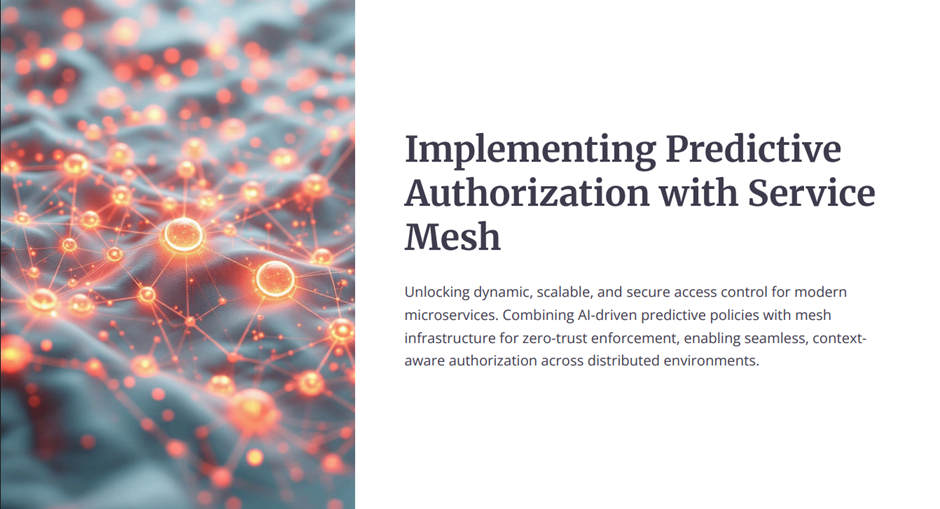
After implementing predictive authorisation + mesh:
| OUTCOME | RESULT |
| Access decision time | 86% faster |
| Unauthorised lateral movement | 73% reduction |
| Risk-alert false positives | Down 52% |
| Audit closure time | Cut by 60% |
The IAM didn’t wait for misconduct. It flagged patterns before risk escalated.
The System Thought First. That Is The Future.
The Identity Layer Will Become the Business Brain
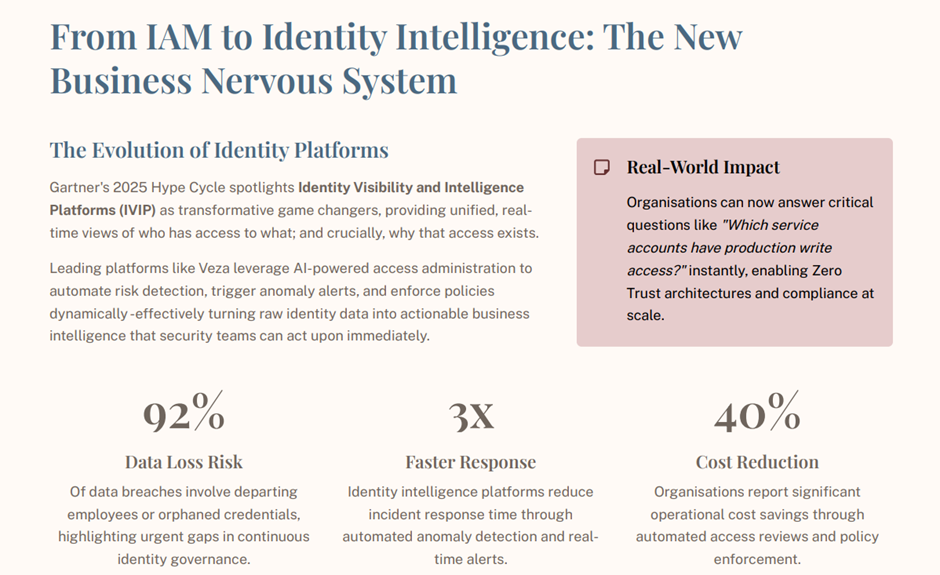
Authentication is evolving far beyond a simple login request. In the next wave of enterprise technology, it becomes the first business decision that determines how every digital action unfolds. Identity will no longer sit on the sidelines as a support function. It becomes the operational nerve centre, interpreting context, governing behaviour, orchestrating access, and coordinating machine-to-machine trust across the entire ecosystem.
IAM will stop functioning as a tool that checks credentials and start acting as a dynamic decision engine. It becomes the underlying intelligence layer that continuously evaluates risk, intent and authorisation boundaries. The identity layer essentially transforms into the “business brain” of every organisation that depends on digital execution, automation or distributed computing.
This brain quietly governs critical workflows such as:
Identity Will Influence:
- Who receives access to data:
Access will shift from role-based availability to real-time contextual justification, evaluating behavioural patterns, geolocation signals, device identity, historical activity and entity risk score before releasing controlled data. - Who triggers processes inside the enterprise:
Automated workflows will require identity-backed validation. Whether it’s approving a financial transfer, executing a deployment pipeline, releasing supply chain instructions, or triggering robotic automation, IAM becomes the deciding authority. - When machines execute logic or communicate:
Machine-to-machine communication will only occur if identity posture, certificate health, key rotation freshness and behavioural baselines align with expected norms. Machines won’t operate on static permissions; they will operate on dynamic trust. - How value moves across IT ecosystems:
Identity governance will control the movement of digital value: data packets, compute rights, API tokens, financial operations, and federated access, ensuring that every transaction is identity-verified and risk-scored.
Access becomes a new currency; calculated, permissioned and protected.
Authorisation becomes a language; expressive, adaptive and continuously evolving.
Identity becomes the logic; the programmable, intelligent core that determines what an organisation allows, denies, automates or defends.
In this future, IAM does not merely guard the perimeter.
– IAM decides.
– IAM anticipates.
– IAM acts long before unauthorised access ever becomes a threat.
Conclusion
The future of security will not be built in dashboards or written in policy handbooks. It will evolve into decision engines, prediction models, identity graphs, and behaviour-driven authorisation logic.
We are entering a time when IAM will no longer require permission.
It will pre-decide risk.
It will predict movement.
It will protect before a breach exists. The future is no longer coming.
The future is now, and access decisions will soon think before you do.
